

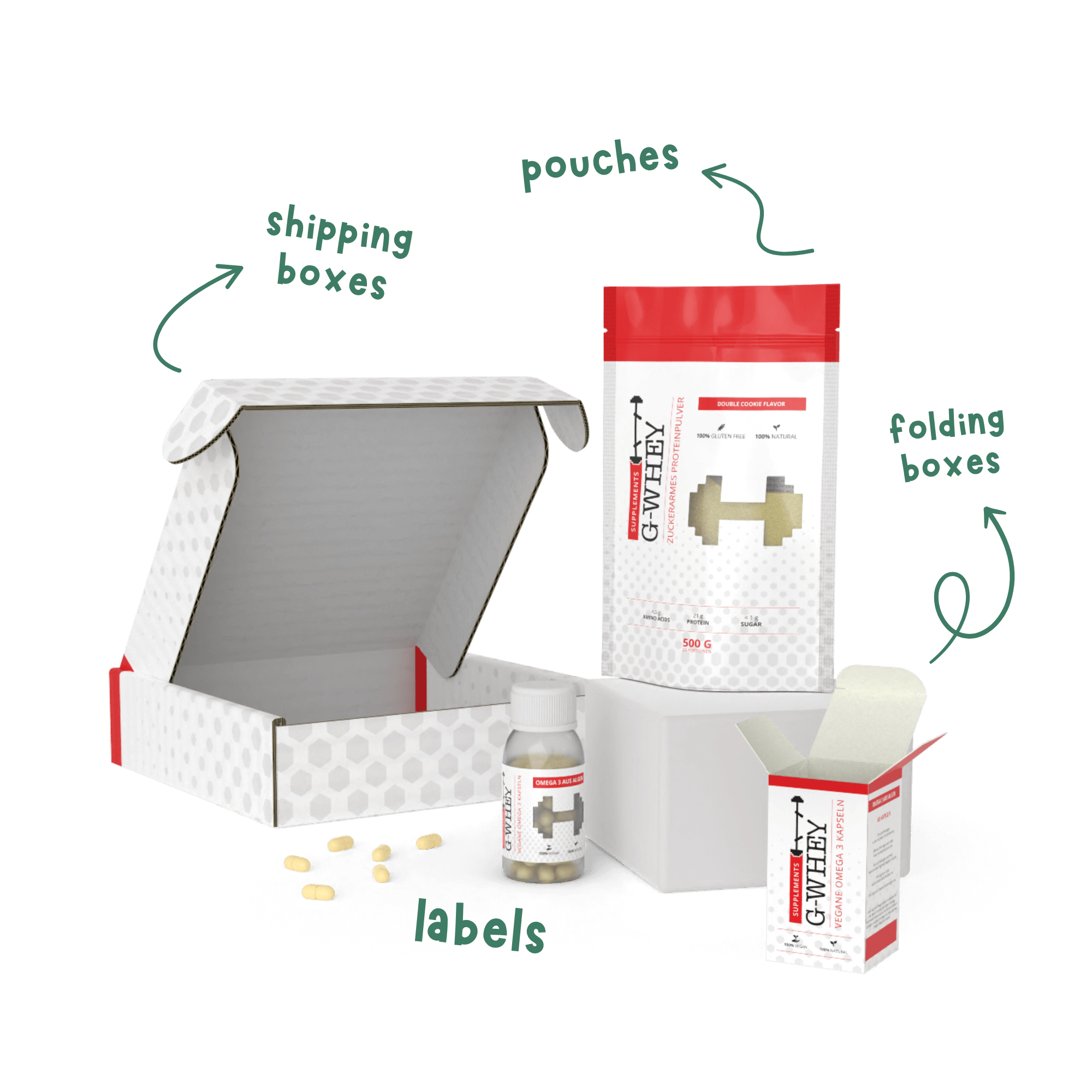
 Folding boxes




 Shipping boxes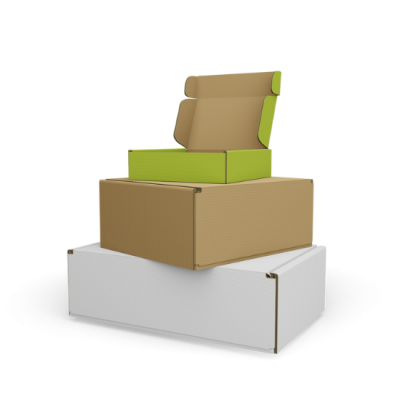




 Stand-up pouch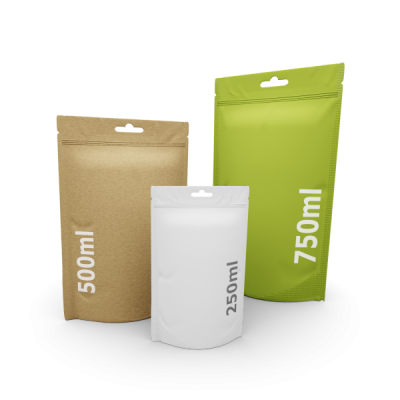


.png) Labels
Labels 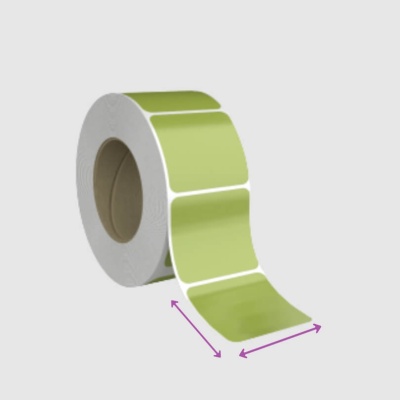

 Paper cans
  Sample boxes
 Worth knowing
Packaging development & small series
Customised packaging
Innovative machinery for small and large series: precise and cost-effective
With our extensive, state-of-the-art machinery, we can produce packaging flexibly and cost-effectively in both small quantities and large runs. Our cutting plotters from Elitron and SEI sheet lasers enable tool-free production from a single piece, ideal for prototypes and small series. For small series, we also use digital printing machines to achieve precise, high-quality results. For large series, we rely on proven conventional die cutting as well as offset and flexographic printing processes to ensure efficiency and quality even with high quantities. Our comprehensive expertise in packaging production helps us find the best solution for every requirement – from product packaging to shipping cartons.
A member of:
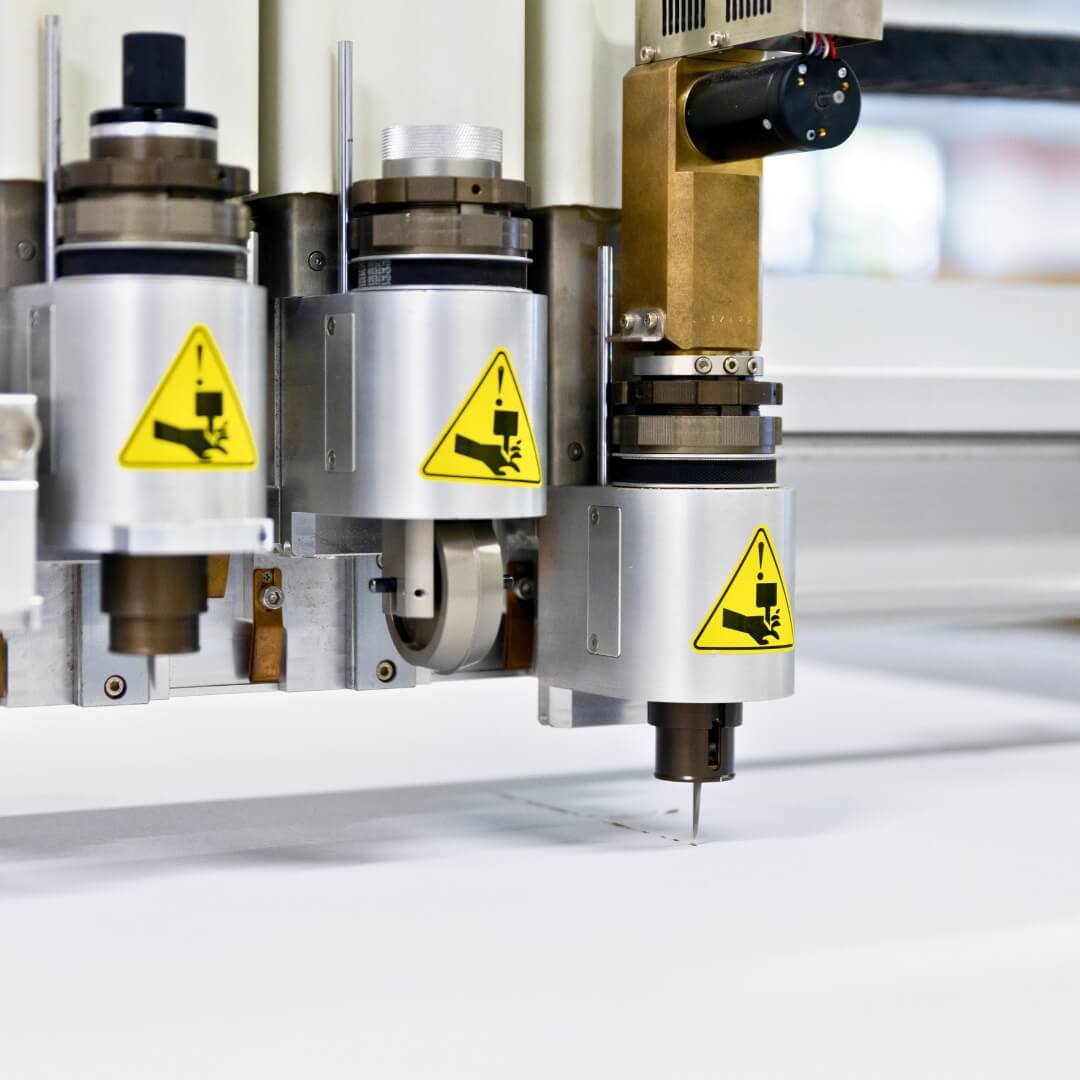
prototype production
From concept to series production: your personal packaging partner
With us, you are the focus – from the initial idea to series production, we accompany you through every step of your project. Our experienced packaging developers are always at your side to work with you to develop tailor-made packaging solutions. We support you in precisely measuring your products, creating production-ready designs and turning your visions into reality. In collaboration with our partner company All4Graphics, we can also take care of the entire packaging design for you to present your brand in the best possible light. Once development is complete, we will prepare a customised quote for series production, regardless of whether you need a small or large print run. You will benefit from our flexibility, comprehensive expertise and personalised support throughout your project from start to finish.
Tel.: +49 (0) 751 951 440 0
Mail: [email protected]
diverse possibilities
Our development service in detail
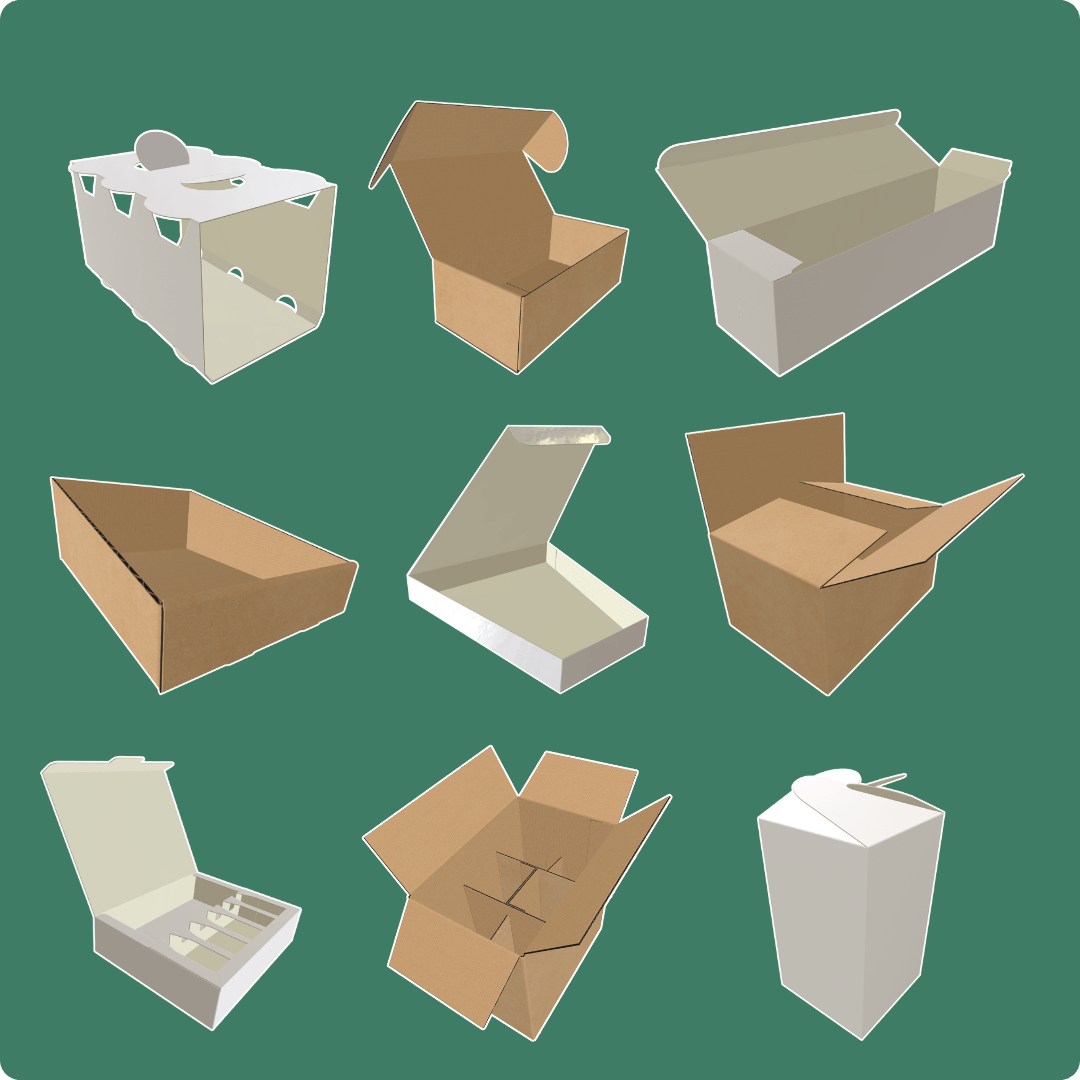
>3000 custom-made boxes
Our CAD database contains over 3,000 types of packaging made from solid and corrugated cardboard, which we tailor precisely to your product – the right solution for every requirement.
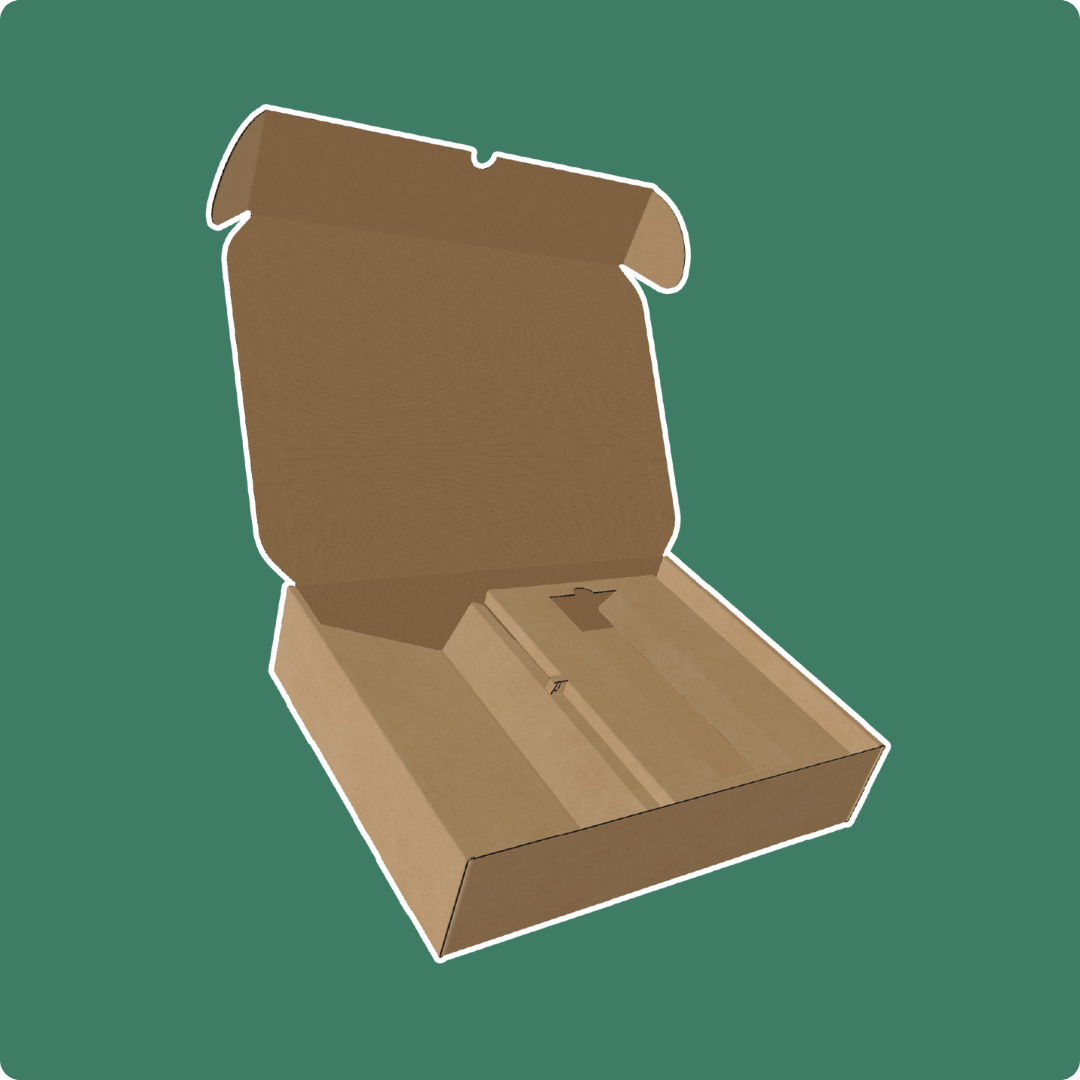
Customised inlay design
We develop customised inlays that securely and attractively position your products in the packaging, ensuring an impressive unboxing experience.
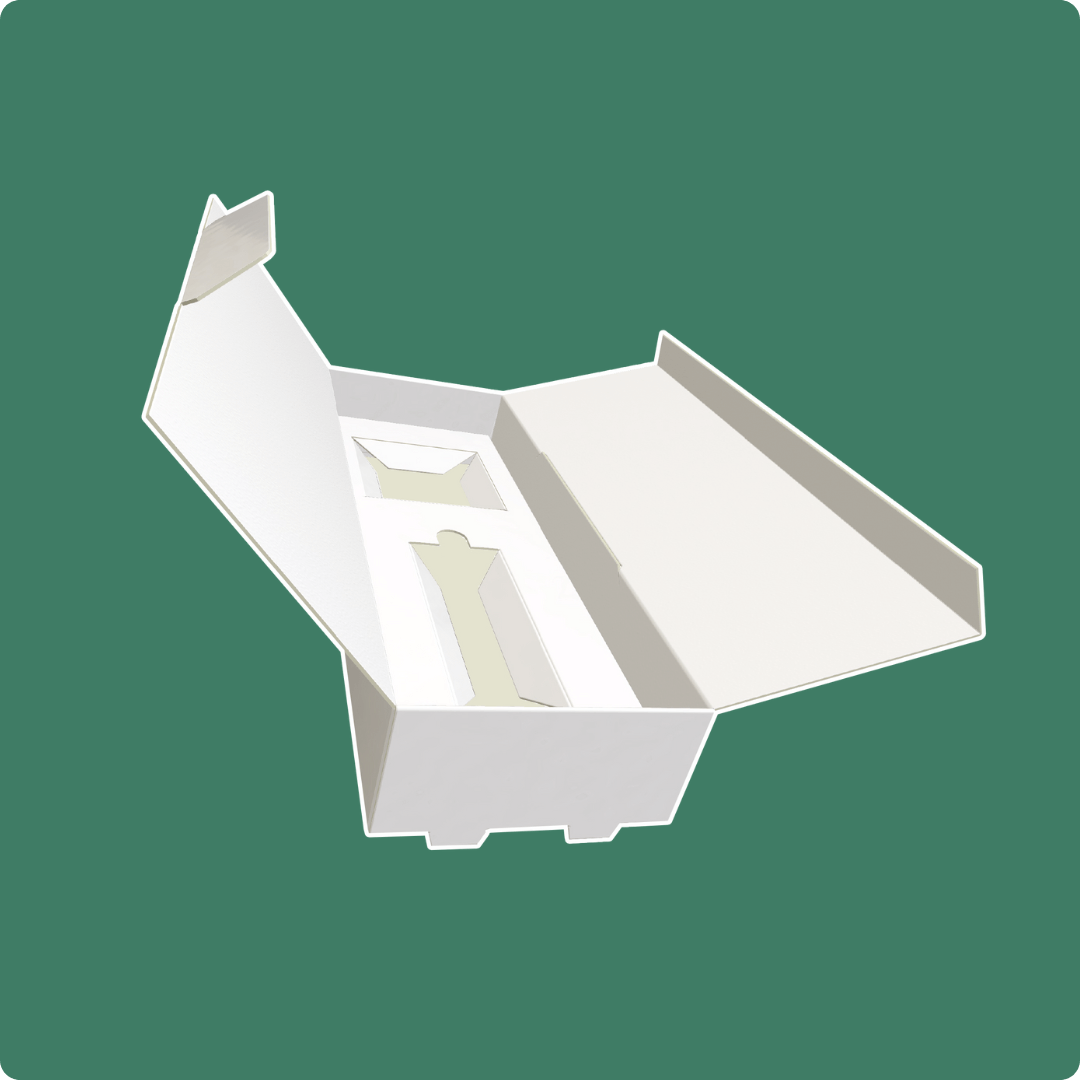
Special designs
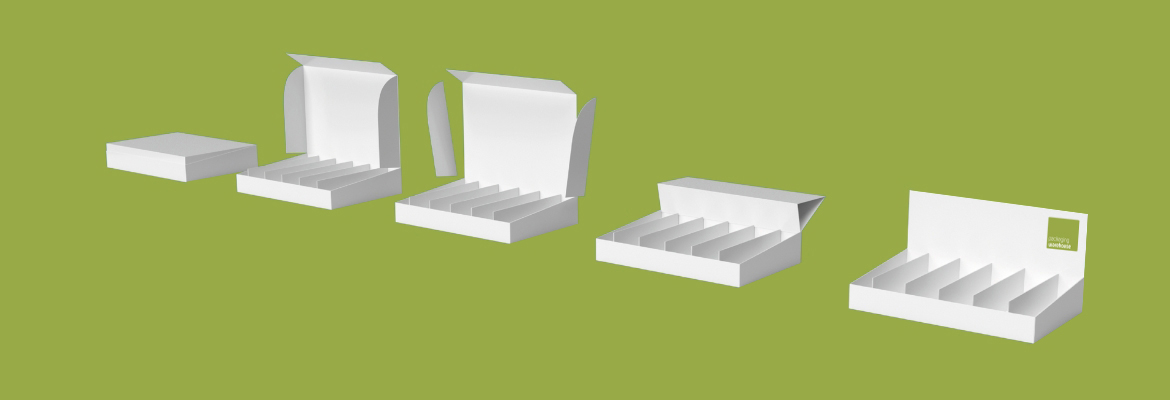
For special requirements, we manufacture multi-part custom designs that really highlight your products, for example for marketing campaigns or the point of sale (POS).
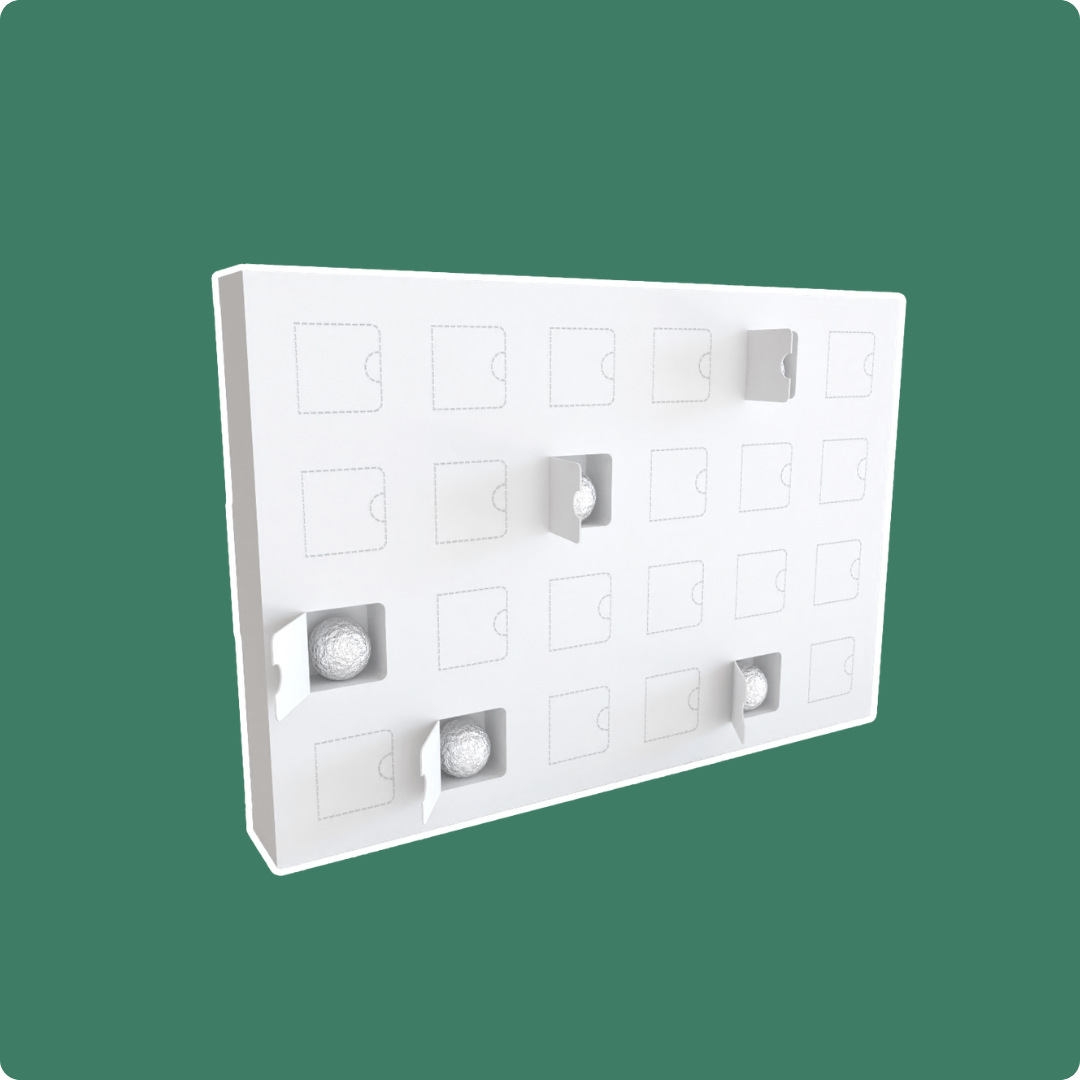
Advent calendar
Individually designed Advent calendars made of cardboard or corrugated cardboard, precisely tailored to the 24 products, ensure an unforgettable brand presence during the Christmas season.
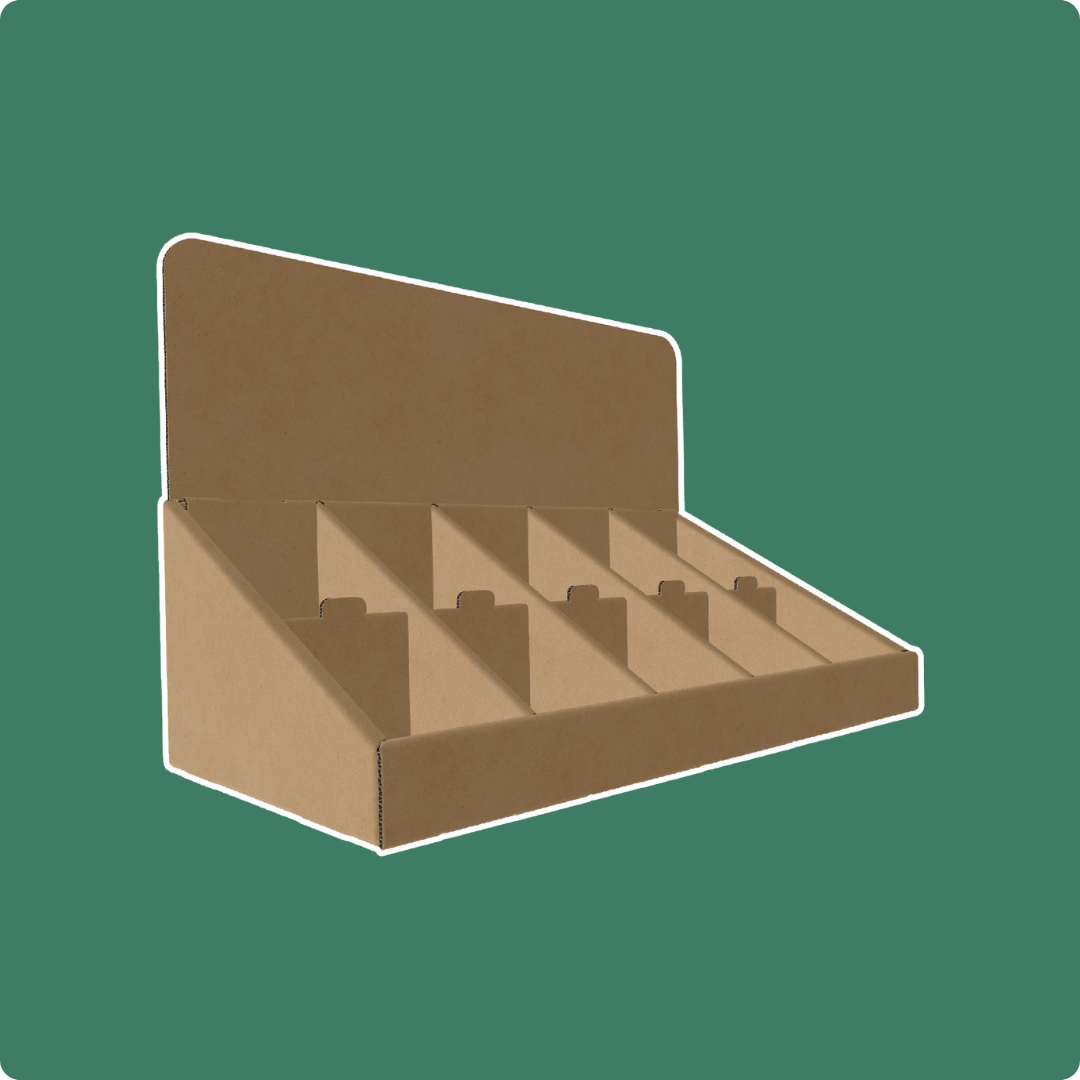
Point-of-sale displays
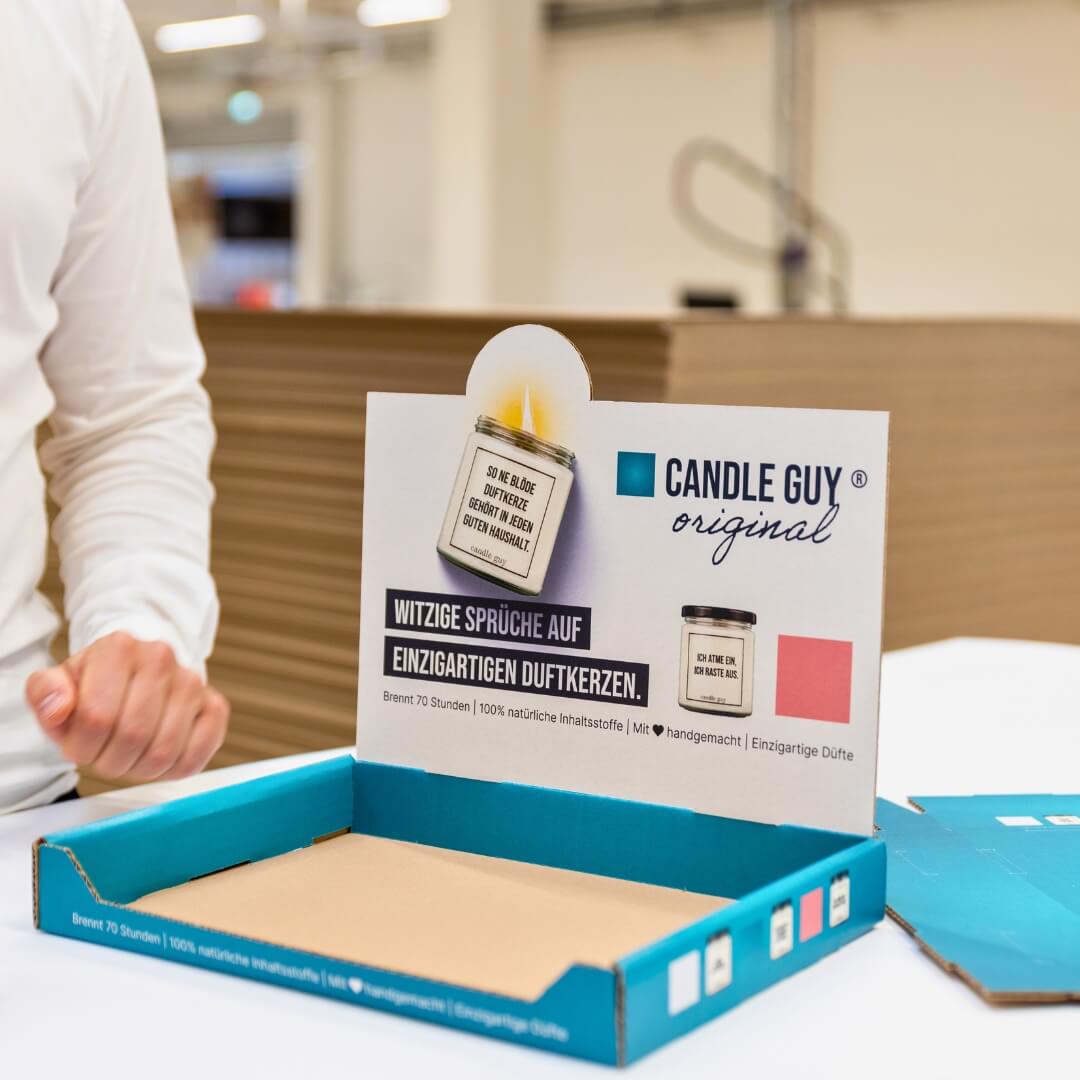
We design customised POS displays – whether small counter displays or large pallet displays – for optimal product presentation in retail shops.
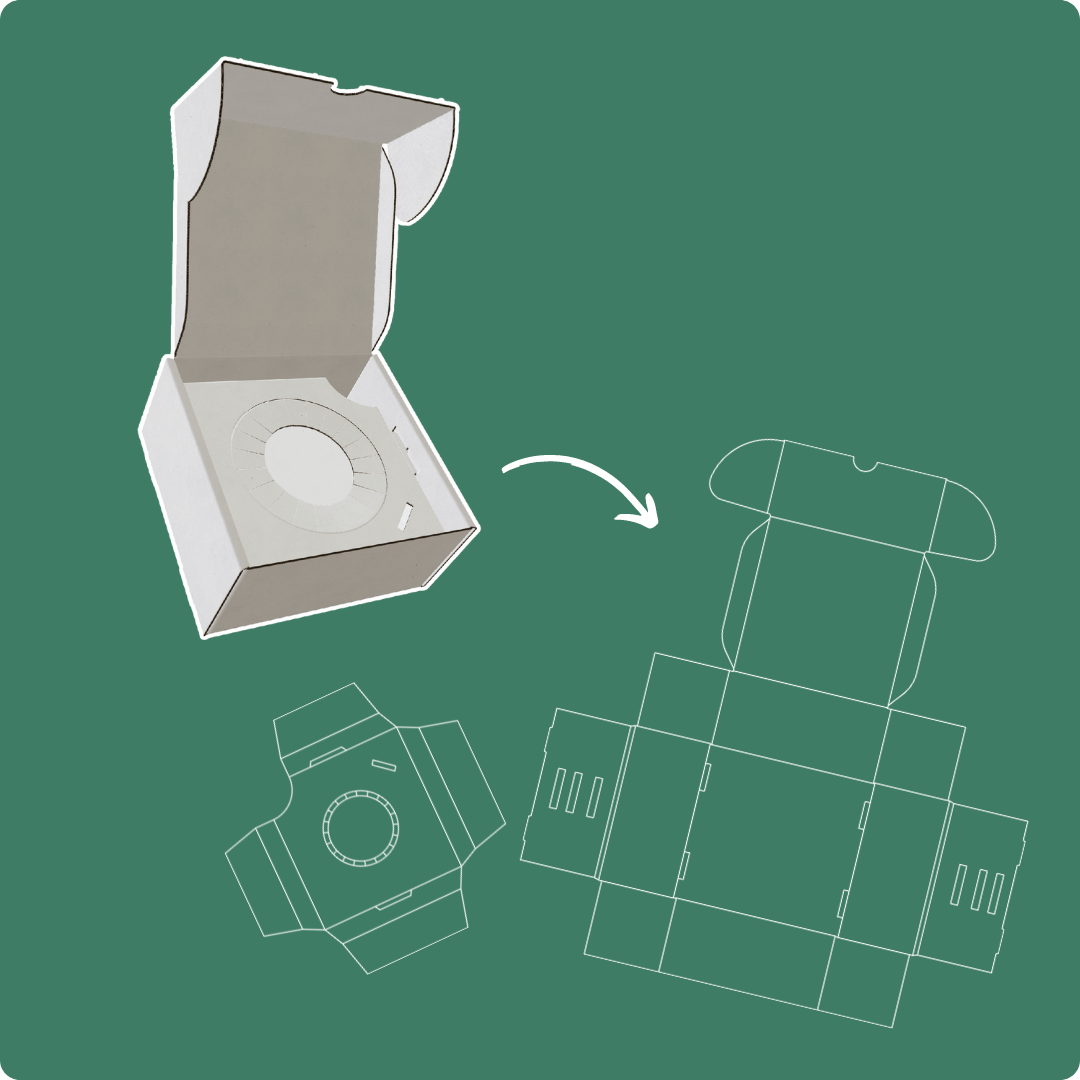
Redrawing service
Are packaging details missing? We trace existing packaging so that you can order identical reproductions from us – quickly and easily.
Your added value
Your advantages at a glance
customer projects
Special customer projects from packaging development
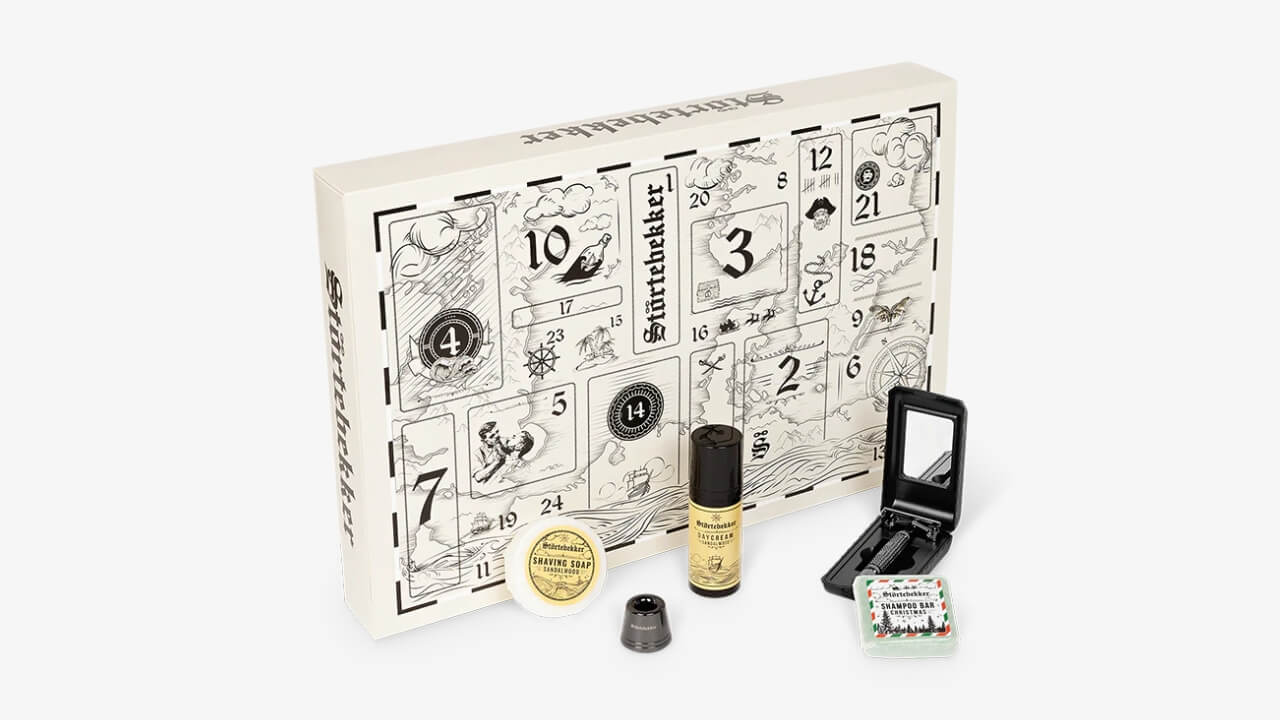
Advent calendar for men's grooming by Störtebekker
For the men's grooming brand Störtebekker, we developed a customised cardboard Advent calendar consisting of 24 folding boxes individually tailored to the products. These were perfectly placed in a sturdy hollow wall box and protected with a sturdy cardboard slipcase. Each box was individually printed over its entire surface, giving the Advent calendar a high-quality look. From the precise measurement of the products to the creation of several samples and the series production of several thousand copies, we handled the entire process in-house, thus guaranteeing efficient and high-quality implementation.
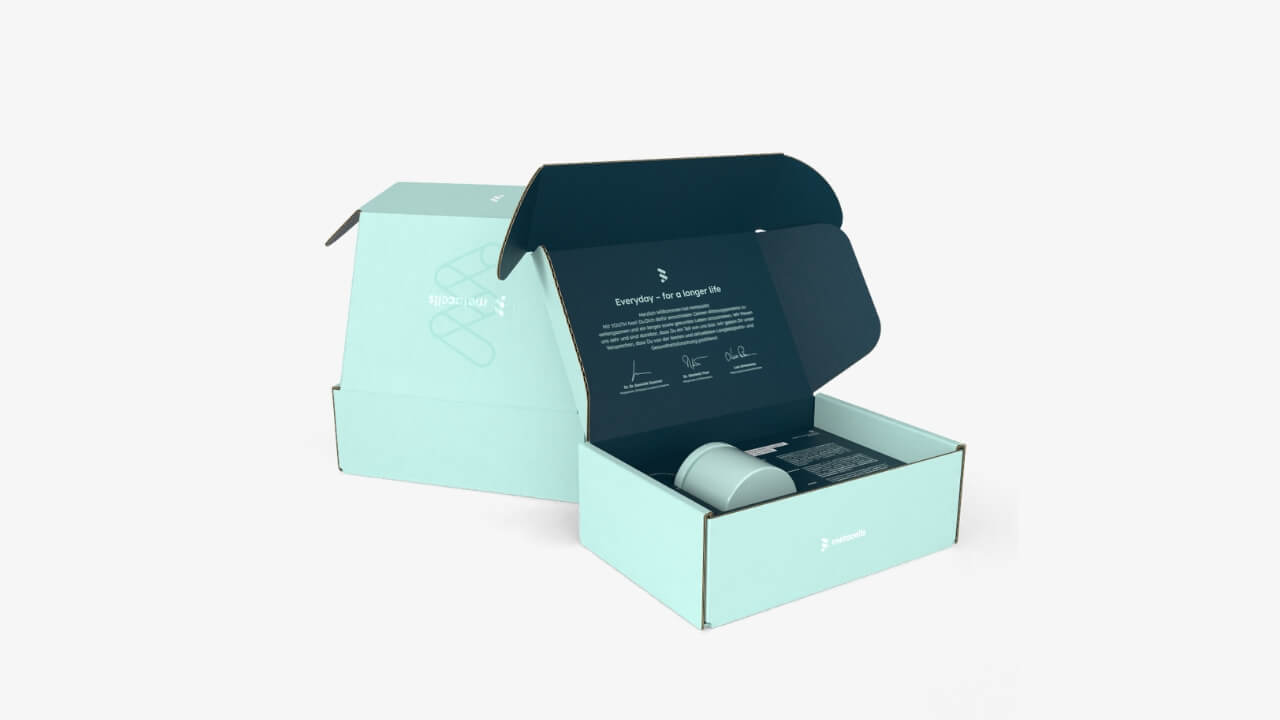
Customised folding carton with product inlay for premium supplement brand Metacells
For the premium supplement brand Metacells, we developed an exclusive hinged lid box made of double-sided laminated E-flute, which perfectly presents the products thanks to a precisely fitting inlay made of single-sided laminated E-flute. The box impresses with its high-quality workmanship, including 4C printing on both sides, Pantone special colours, matt foil lamination and additional partial print varnishing. These finishes ensure an outstanding unboxing experience and underline the premium quality of the brand. We accompanied the entire process from design to production.
CONTACT US
How can we help you?
Tell us about your packaging project!
We would be delighted if you could send us a message and give us an insight into your requirements. The more specific your information is, the better we can advise you and suggest a suitable solution.
We will get back to you as soon as possible!
We will get back to you as soon as possible!
Packaging development for small series: Why is it worthwhile?
Packaging development for small series offers companies numerous advantages in today's fast-paced economy. As the market is constantly changing and consumer trends are shifting rapidly, many companies need packaging solutions that can be adapted flexibly. Small-batch packaging development enables precisely that: lower minimum order quantities and shorter production times allow companies to bring their products to market faster and respond immediately to changing customer needs. Small batches in packaging development also enable companies to respond flexibly to seasonal or regional conditions. This is particularly advantageous for niche products or specialised markets where a high degree of flexibility and rapid adaptability are crucial. Companies can thus optimise their packaging development specifically for smaller quantities in order to respond more quickly and precisely to market developments.
Advantages of small series in the packaging sector
Packaging design and development: a creative process
Packaging design and development are crucial elements for the success of a brand, as they represent the first physical point of contact with the customer and leave a lasting impression. Carefully thought-out packaging not only strengthens the brand image, but also contributes to sales promotion and customer loyalty. An appealing design combined with functional aspects ensures that the packaging fulfils its purpose optimally while also conveying the brand message.
Visual appeal and recognition value
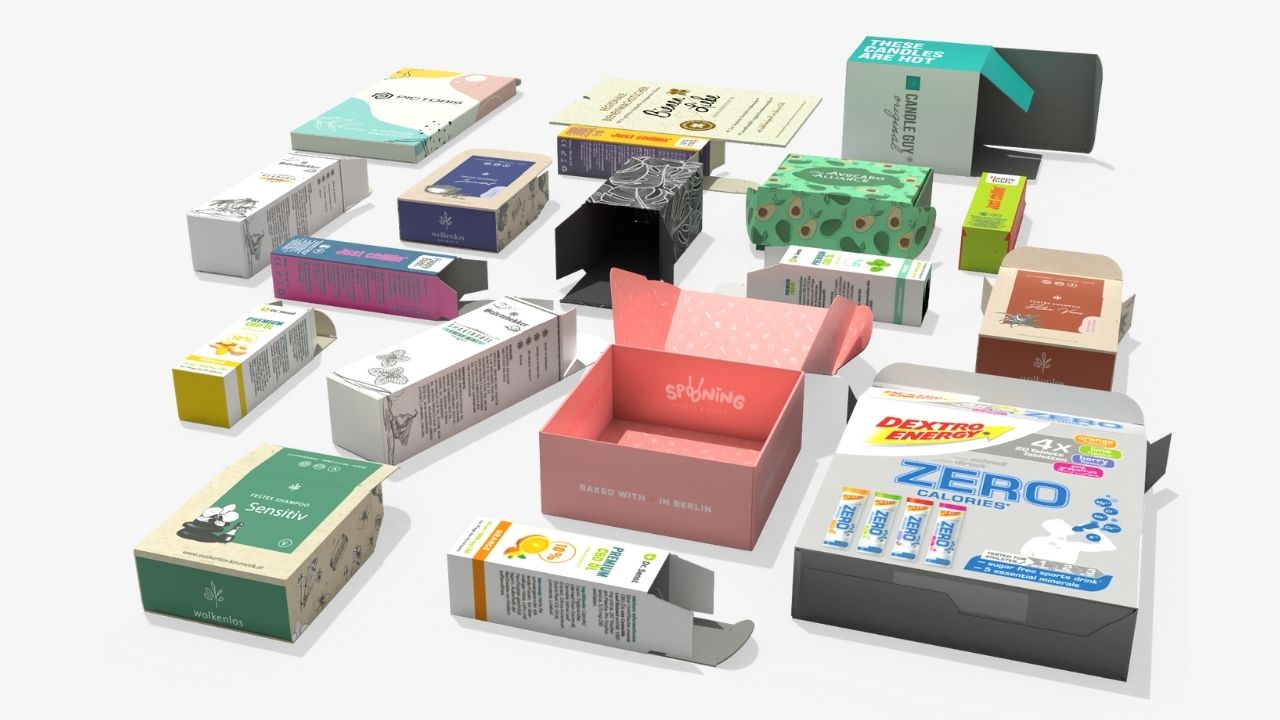
In an increasingly competitive market environment, packaging design becomes the brand's calling card. The choice of colours, typography and layout play a key role in evoking emotions and increasing brand recognition. Well-designed packaging that is consistent with the corporate design creates trust and promotes brand loyalty. Creative design elements also help to set the brand apart from the competition and maximise visibility at the point of sale.
Material selection and sustainability
The choice of materials is a key aspect of packaging development, as consumers are increasingly placing value on environmentally friendly packaging. The use of recyclable or biodegradable materials emphasises the brand's commitment to sustainability and can have a positive impact on customers' purchasing decisions. Sustainable packaging can also be part of the design process by incorporating innovative materials or special structures that reduce the ecological footprint.
Functionality and user-friendliness
Functionality is a crucial factor in packaging development, as packaging must not only be visually appealing but also practical. Consumers appreciate packaging that is easy to open, safe to handle and simple to dispose of. Through intelligent and user-friendly packaging solutions, companies can create a positive customer experience and increase the likelihood that customers will return to the brand.
Adaptability and trends
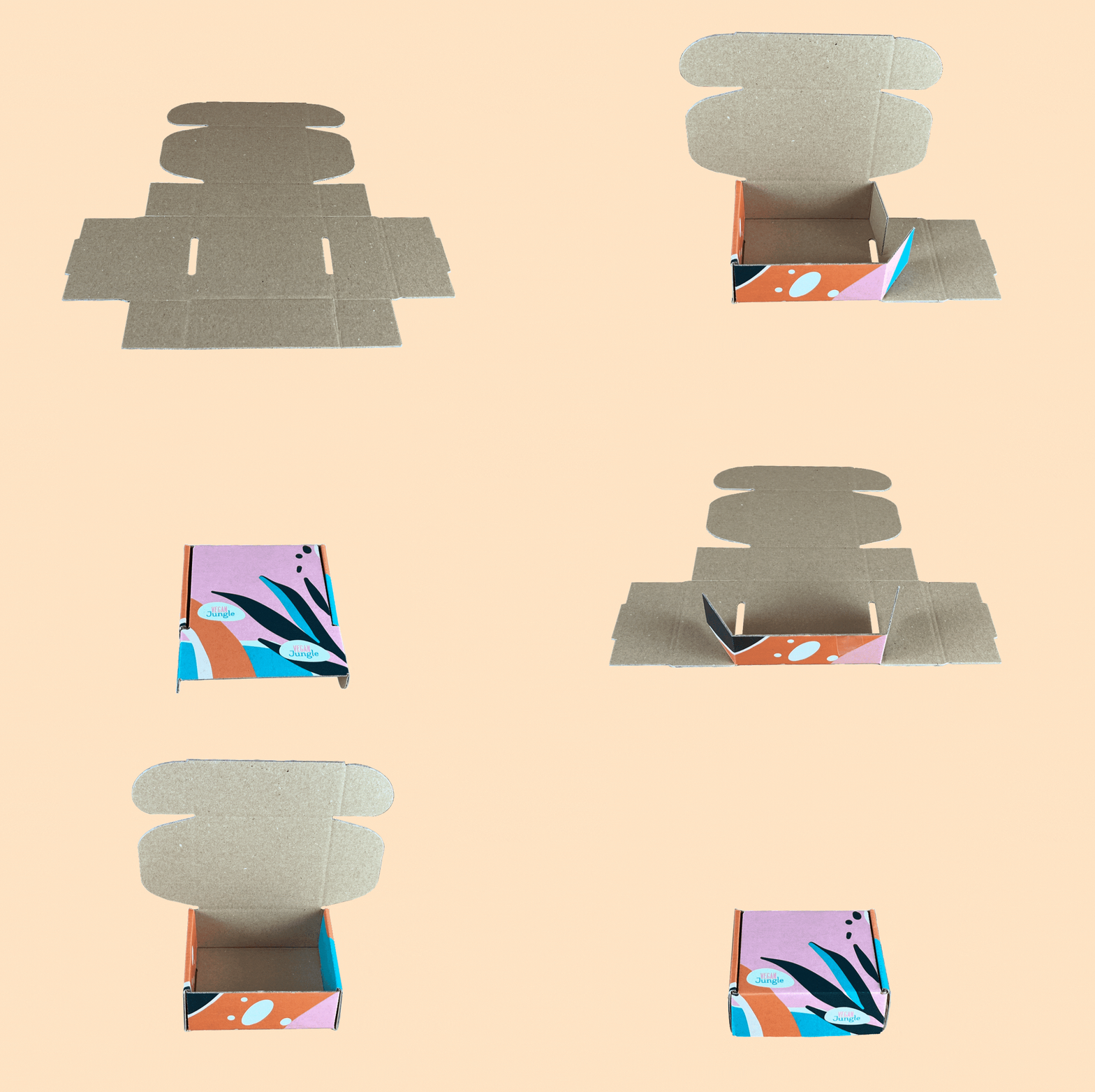
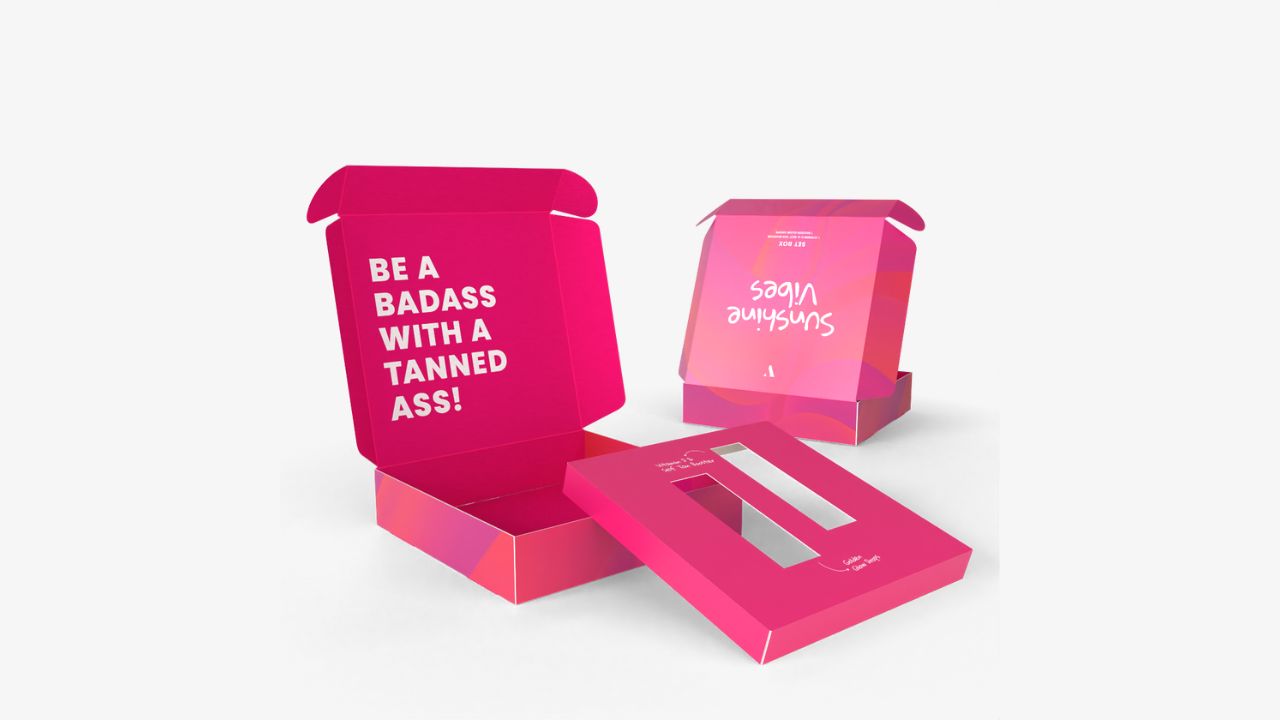
Another important facet of packaging development is adaptability. The ability to flexibly adapt packaging in small batches allows companies to respond quickly to these trends and continuously optimise their packaging. An appealing unboxing experience can be created, for example, through individual elements such as personalised messages, creative inner packaging or a special folding technique that enhances the ‘wow’ effect and promotes brand loyalty.
Important materials in packaging development
In packaging development, the choice of materials and their properties are crucial for the functionality, protection and attractiveness of the packaging. Here are the most important materials for different types of packaging:
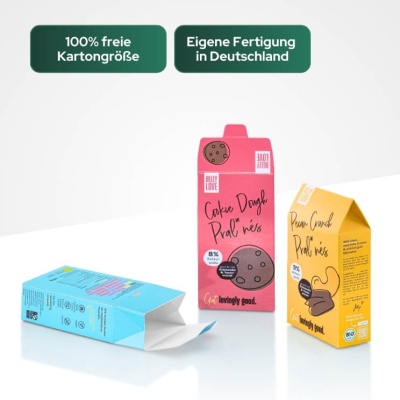
Folding boxes
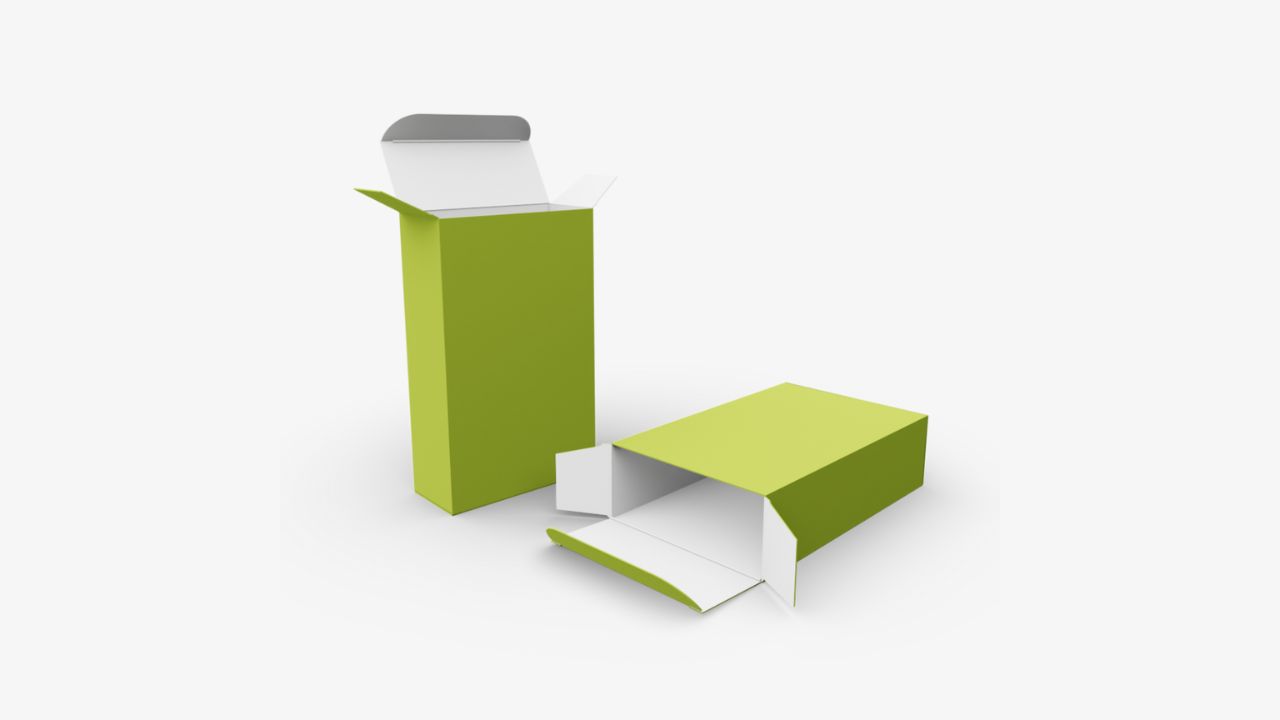
Folding boxes are a popular choice for presenting and protecting products. The main materials are:
- Chromo board: This board has a smooth surface that is ideal for high-quality printing. It is perfect for packaging that needs to look attractive.
- Pulpboard: Robust and sturdy cardboard that is well suited for demanding applications. It offers good printability and is more environmentally friendly as it is made from renewable raw materials.
- Recycled cardboard: A sustainable option made from recycled materials. Recycled cardboard is environmentally friendly and reduces the need for new raw materials.
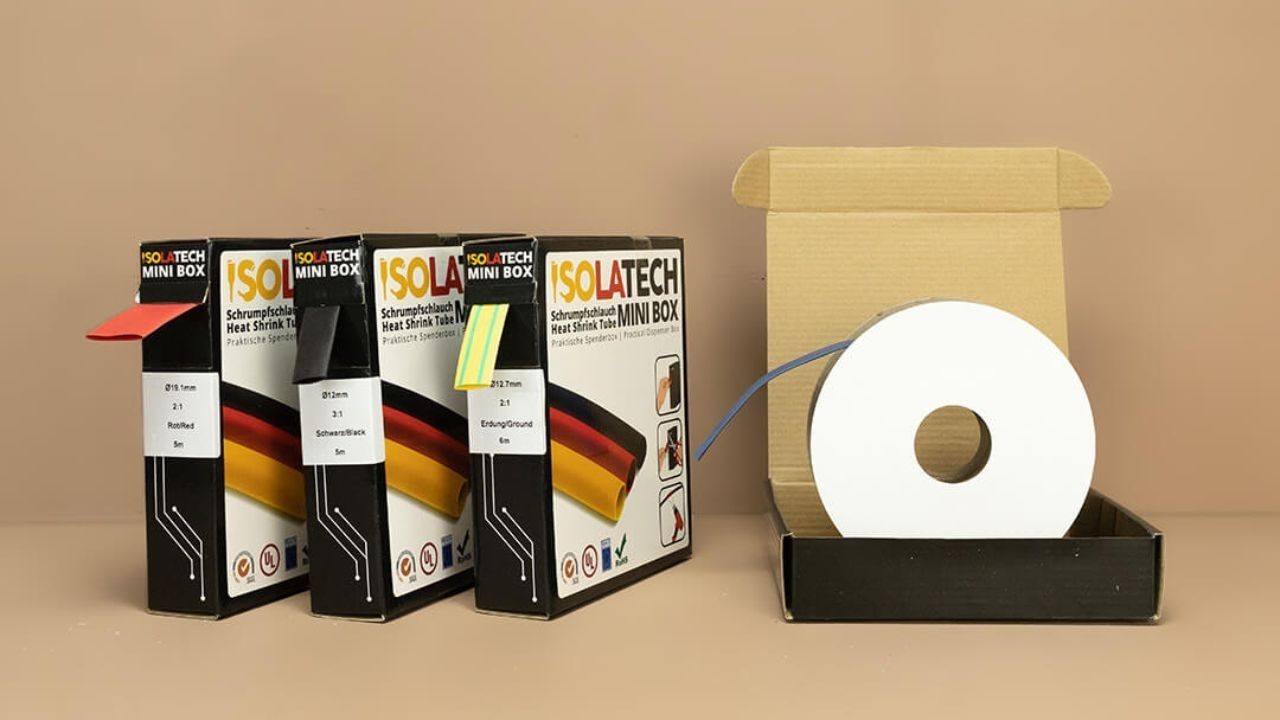
- Black and brown natural cardboard: These cartons offer a natural and appealing look. They are ideal for environmentally friendly brands looking for a rustic or organic look.
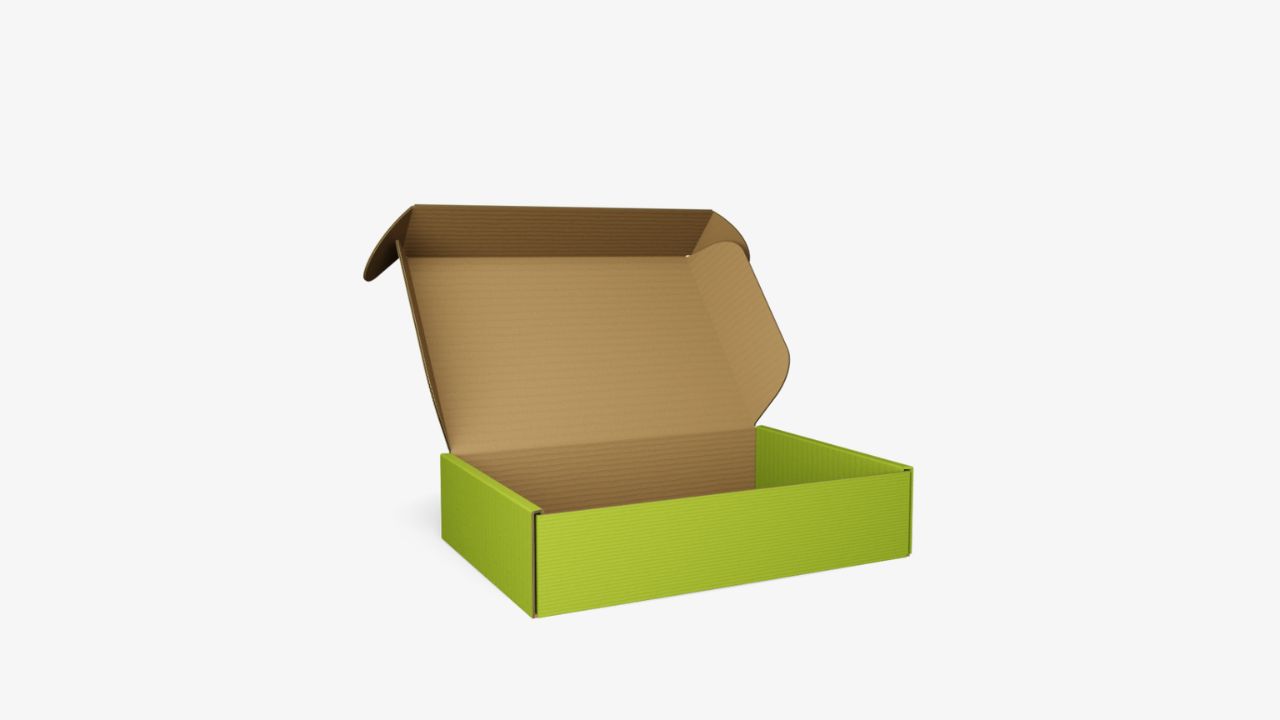
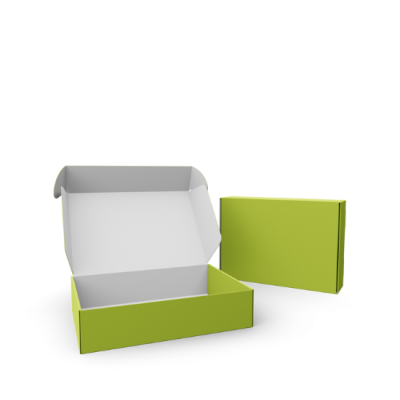
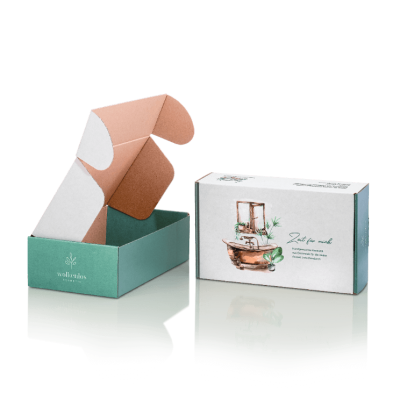
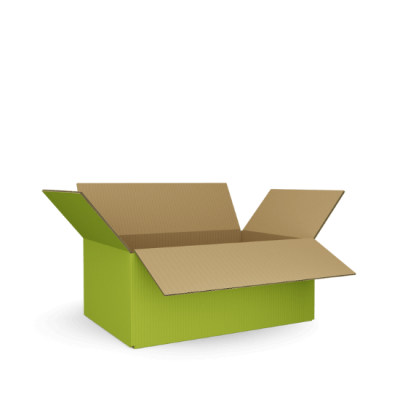
Shipping boxes
Shipping boxes must be sturdy and durable to protect products during transport. Important materials include:
- E-flute: This corrugated cardboard is particularly light yet still offers good protection. It is ideal for shipping boxes that need to be lightweight.
- B-flute: Offers greater stability than E-flute and is well suited for shipping heavier or more fragile products.
- EB fluting: A combination of E and B corrugation that is both lightweight and stable. It offers excellent flexibility and protects goods during transport.
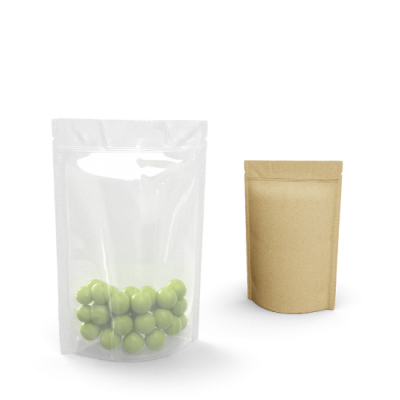
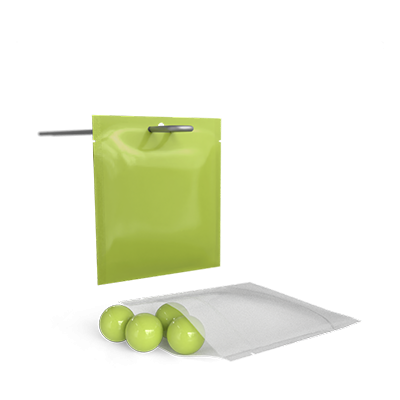
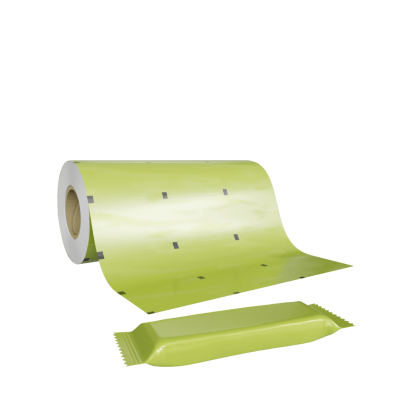
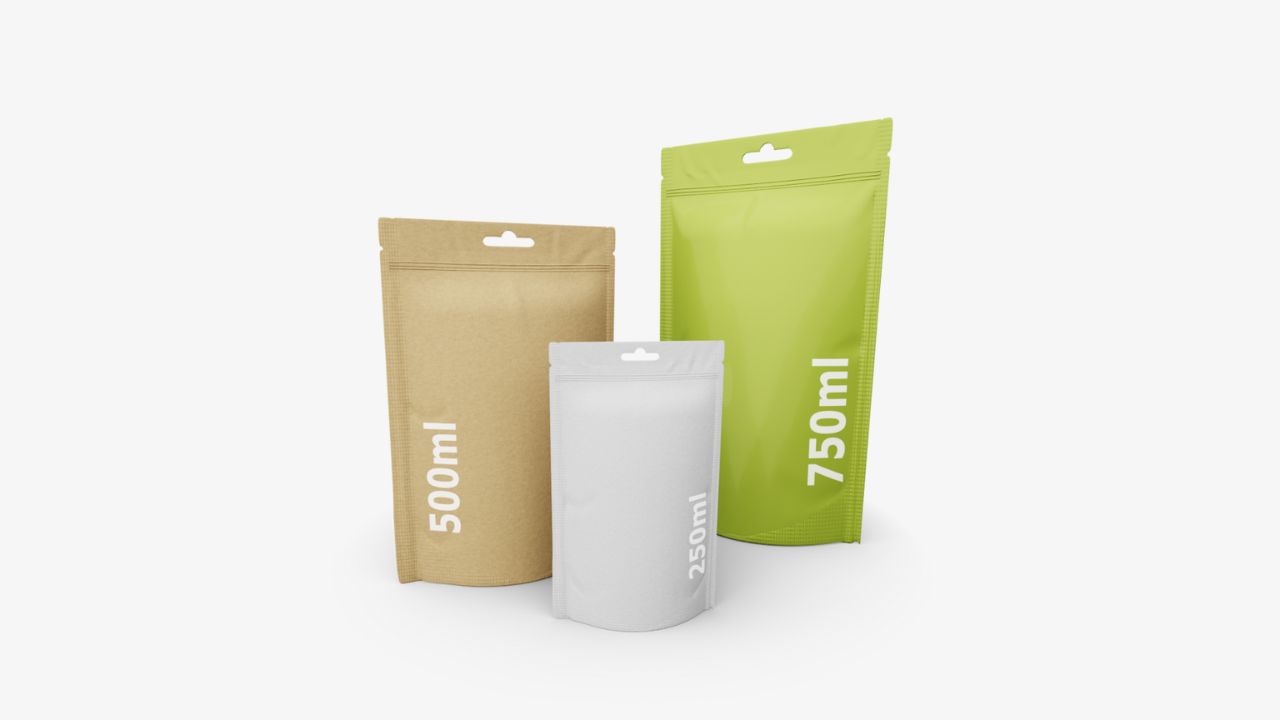
Stand-up pouch
Stand-up pouches are versatile and practical for a wide range of products. The most important materials are:
- 100% recyclable mono film: This film offers an environmentally friendly solution and is ideal for products that require a high level of protection from moisture and air.
- Natural paper (brown and white): Offers a sustainable and attractive packaging solution that is well suited to a wide range of products.
- Paper with or without barrier: These options make it possible to package various products while protecting them from external influences.
- Laminated film (silver metallic, white & transparent): These composite materials offer a high barrier effect and contribute to the aesthetics of the packaging by creating interesting visual effects.
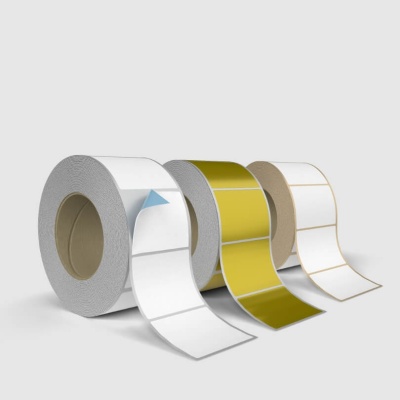
Labels
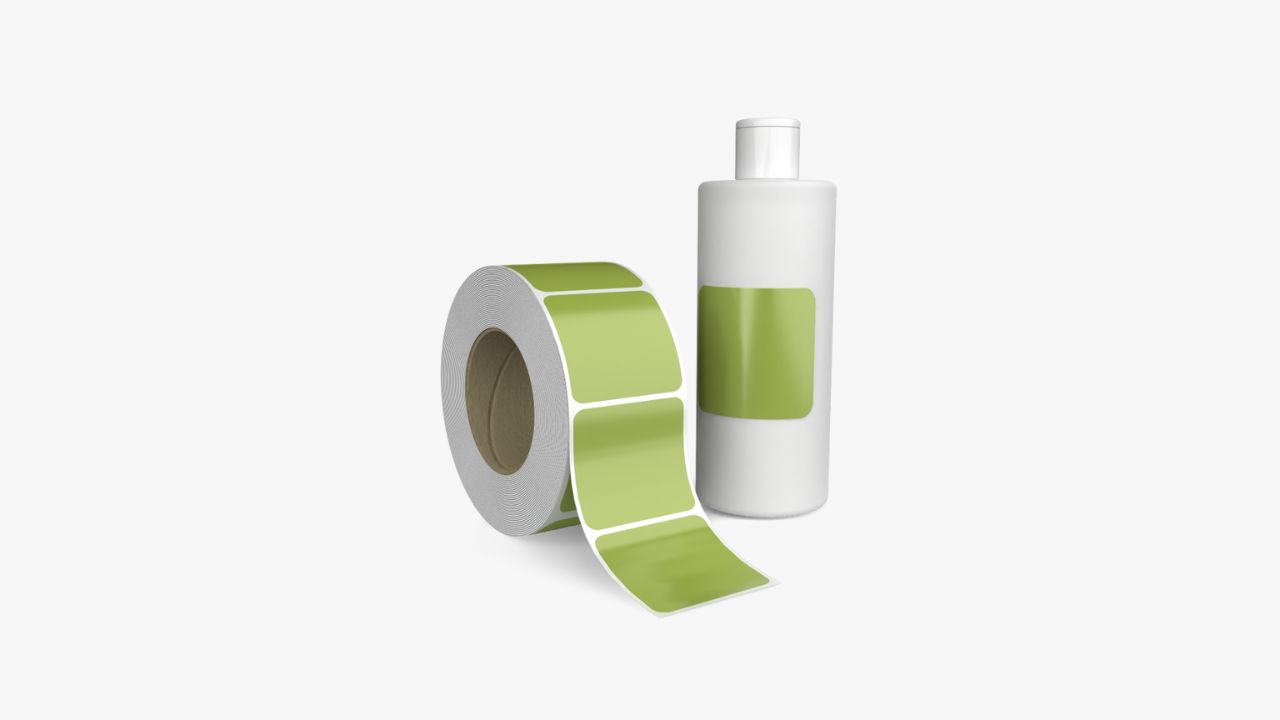
- Labels with finishing: Labels with finishing offer a high-quality look and feel that enhance brand presentation. Techniques such as hot foil stamping, varnishing or relief embossing create an exclusive look and make the product eye-catching on the shelf.
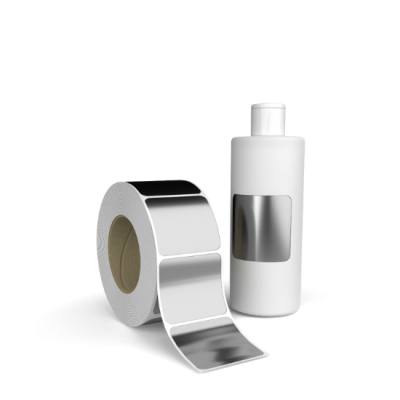
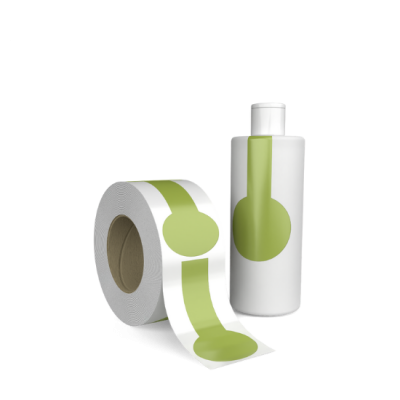
- Bottle labels: Bottle labels are specially designed for wet or chilled environments and often use foil or waterproof labels. Transparent labels create a modern, minimalist look and are ideal for clear bottles.
- Wine labels: Wine labels require durable materials such as textured paper that can withstand moisture and temperature fluctuations. Finishes such as embossing or foil printing give the wine a high-quality appearance and emphasise the brand identity.
- Food labels: Food labels for spices, frozen products and spreads offer a wide range of materials, HACCP-certified production and optimal adhesion to jars, tins and flexible packaging.
Packaging development in the packaging industry: A glimpse into the future
Sustainability is becoming increasingly important as more and more consumers become environmentally conscious. They make decisions not only based on packaging design, but also on whether or not the packaging is recyclable. Customised packaging development can help to avoid unnecessary packaging waste, as the packaging is optimally adapted to the product and no standard goods are used. In addition, competition in the packaging industry is constantly growing. Companies that offer innovative and sustainable packaging solutions can clearly stand out from the crowd with their unique approaches, thereby strengthening their market position.