


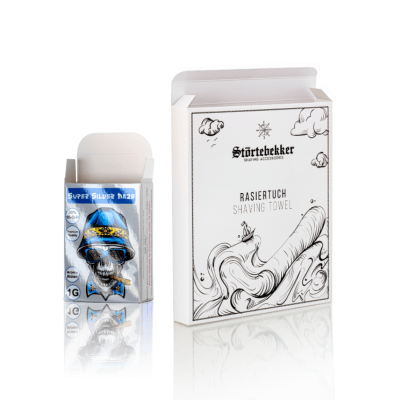
 Folding boxes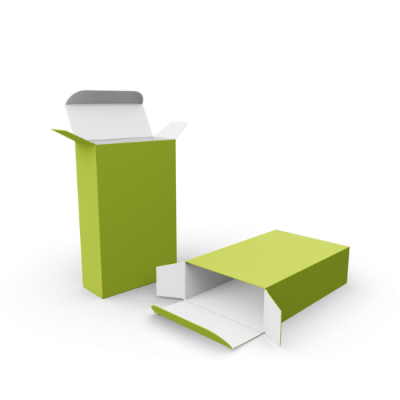
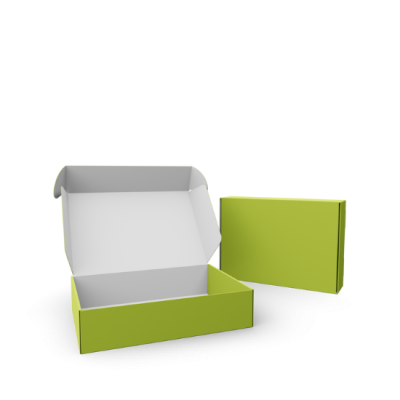
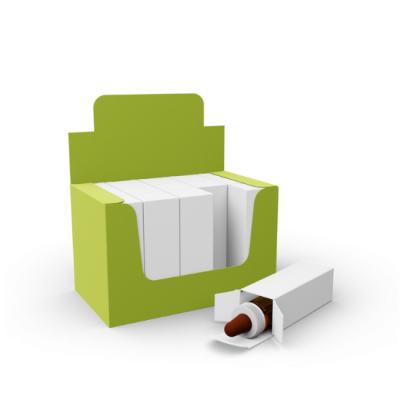

 Shipping boxes

 Stand-up pouch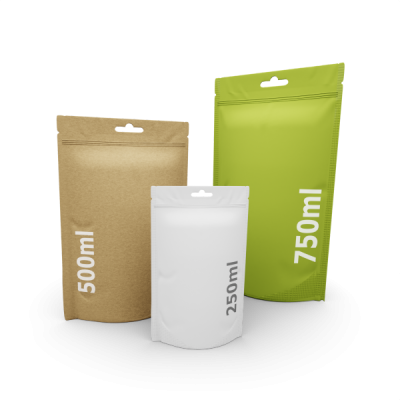


.png) Labels
Labels 

 Paper cans
  Sample boxes
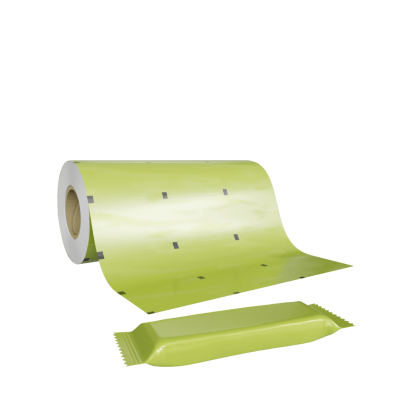
 During slitting, a wide parent roll (e.g. after printing or laminating) is divided into one or more narrower webs and then wound into individual rolls. The rolls are cut to the required web width and roll diameter necessary for further processing (e.g. for Doypacks, Flowpacks, etc.). The process is divided into unwinding, web guiding, cutting, edge strip removal and rewinding of the individual rolls. Various types of knives and cutting mechanisms are used. Depending on the motif, material and system, a single cut or a double cut is made. Single cuts are made using razor blades or circular blades and are mainly used for designs without edge trimming. Double cuts are made using double blades and are mainly used for designs with edge trimming. Possible production speeds are often between 200 and 1000 metres per minute (depending heavily on the machine, material and number of uses).
 5 Stars
Made in Germany
Free Delivery