


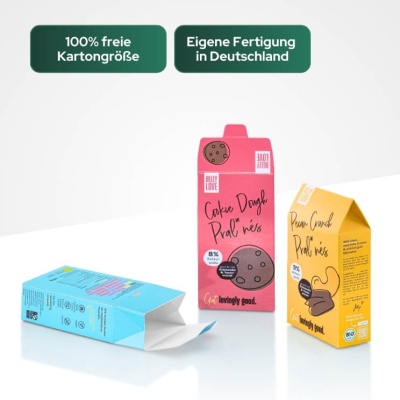
 Folding boxes
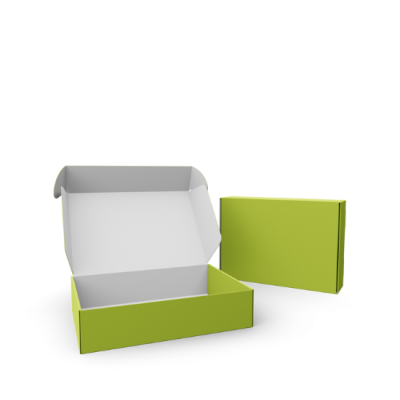




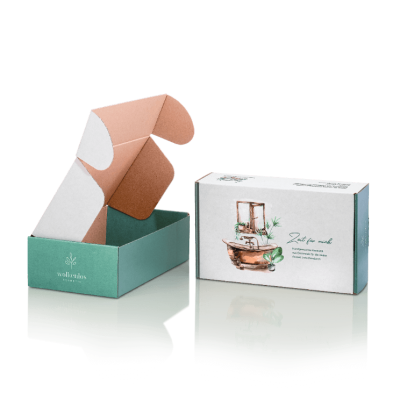 Shipping boxes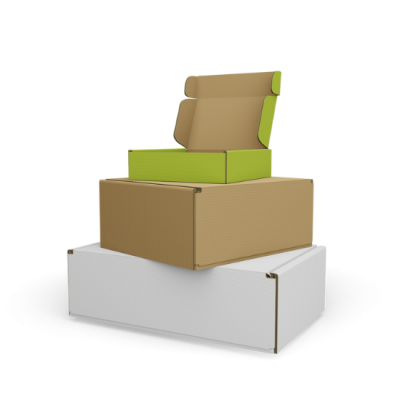



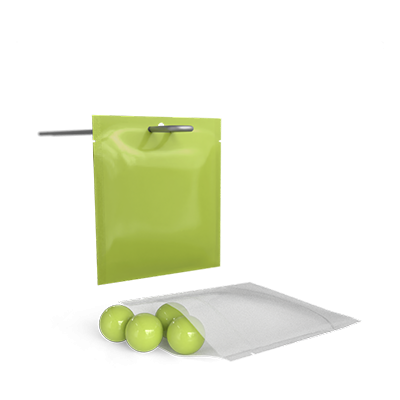
 Stand-up pouch


.png) Labels
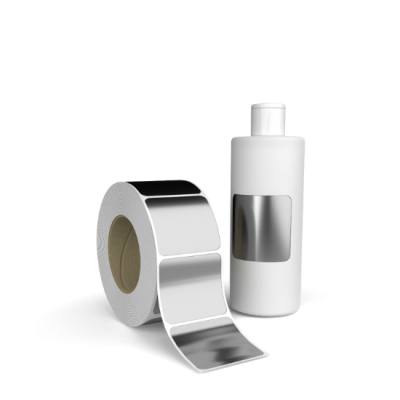
Labels 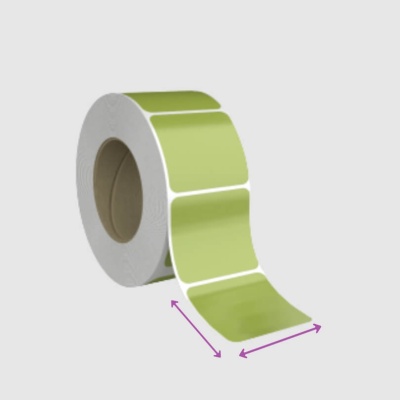

 Paper cans
  Sample boxes
 Folding boxes made of cardboard are fully recyclable via the waste paper collection (blue/green bin). The recycled material is then used for recycled paper and recycled cardboard. The waste paper usage rate for folding box cardboard in Germany is between 85 and 92%.
Paper recycling in Germany is divided into the following individual processes:
- Collection: Waste paper is collected and made available for further processing.
- Sorting & screening: Dark paper such as kraft paper or cardboard is separated from white paper. Non-paper components made of metal or plastic are removed using a screening process.
- Shredding and pressing: The collected paper is shredded and pressed into bales.
- Removal of foreign substances/deinking: The waste paper is soaked in water, causing it to dissolve into fibres. Printing inks are removed by adding surfactants and caustic soda.
- Bleaching: The cleaned paper pulp is bleached with hydrogen peroxide or oxygen.
- Drying and flattening: The paper pulp is spread out on sheets, flattened and dried so that it can be processed into paper again.
Folding carton recycling despite printing ink, adhesive and film finishing
Additional printing, hot foil finishing or single-sided foil laminations can be easily removed from the cardboard during the recycling process. The fibre material can also be completely recycled without any loss of quality.
A study by the FFI shows that folding boxes, especially those used for consumer goods, can be recycled as part of household waste paper collections. All samples examined were found to be completely recyclable without any significant reduction in fibre yield.
Different defibration times had no effect on the fibre yield. The fibre component obtained can be easily recycled.
Individual samples showed visually disturbing inhomogeneities or increased stickiness in printing and adhesive applications. However, these can be separated in household waste paper collections or are considered uncritical.
Plastic components from coatings and laminates fragmented slightly, but were easy to separate. Single-sided coated folding boxes and cup materials that are not wet-strengthened are therefore recyclable.
Metallisation led to poorer separability, which caused visually disturbing contamination. However, these can be recycled in household collection.
Source: Trade Association for the Folding Carton Industry E. V.