5 Stars
Made in Germany
Free Delivery

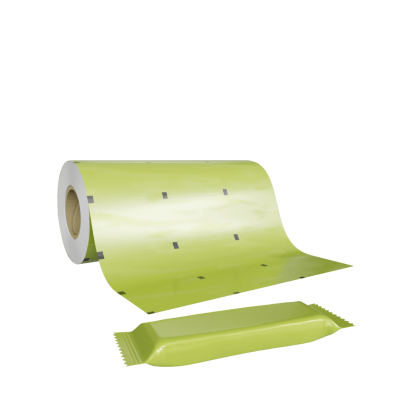
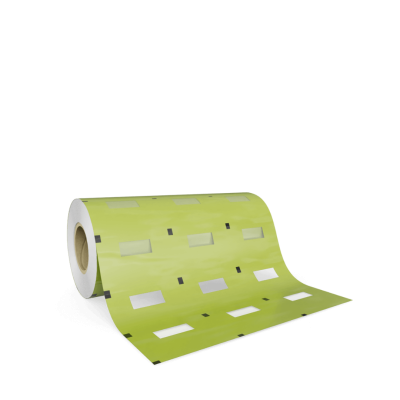
Flexible packaging on rolls

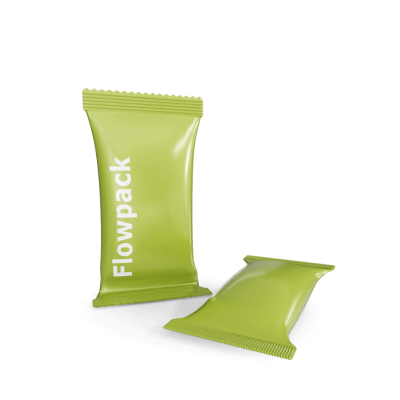
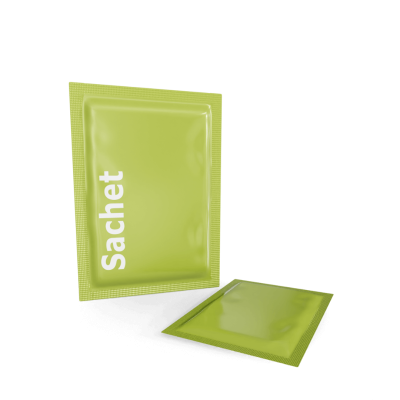
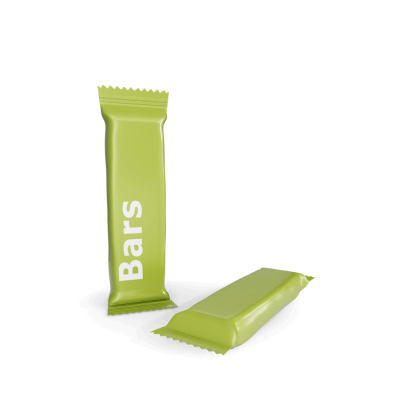
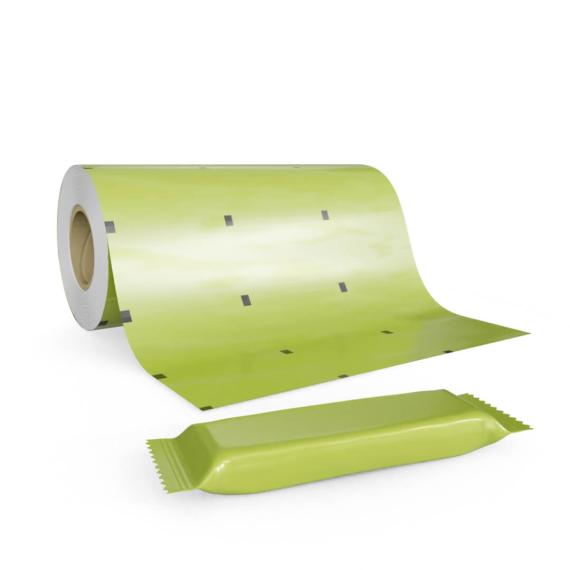
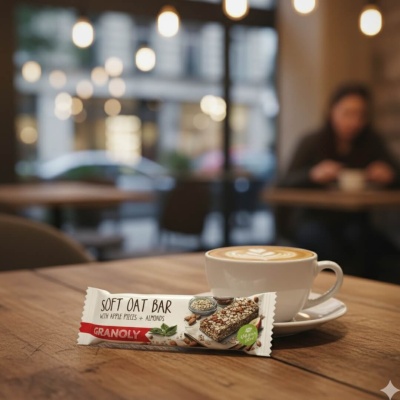
Our printed films on rolls are the ideal basis for bar packaging, sachets and flow packs and can be reliably processed on VFFS and HFFS machines. In the online configurator, you can choose from a range of material structures to suit your product – e.g. mono-PP or PET/PE – in thicknesses from 30 to 112 µm. Depending on your requirements, variants with high barriers for optimum aroma, moisture and oxygen barrier properties are available. Naturally, all films are suitable for direct food contact and are certified accordingly.
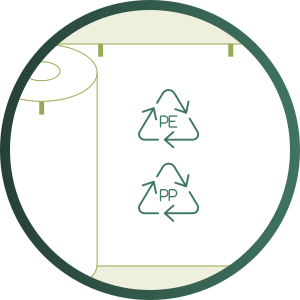
Recyclable PP
& PE mono films

7 working days
Express production

For food
certified films

rollenware-flexible-verpackungen.jpg

Highest quality

Materials for flexible packaging

PP mono films
Paper materials

White PP mono film

76 µm film thickness

White outside, white inside

Heat sealable on one side (inside)

High barrier (OTR <0.1, WVTR <0.1)

Excellent aroma barrier

Certified for foodstuffs (powders, pastes, liquids)

Made for recycling – monomaterial (PP5)
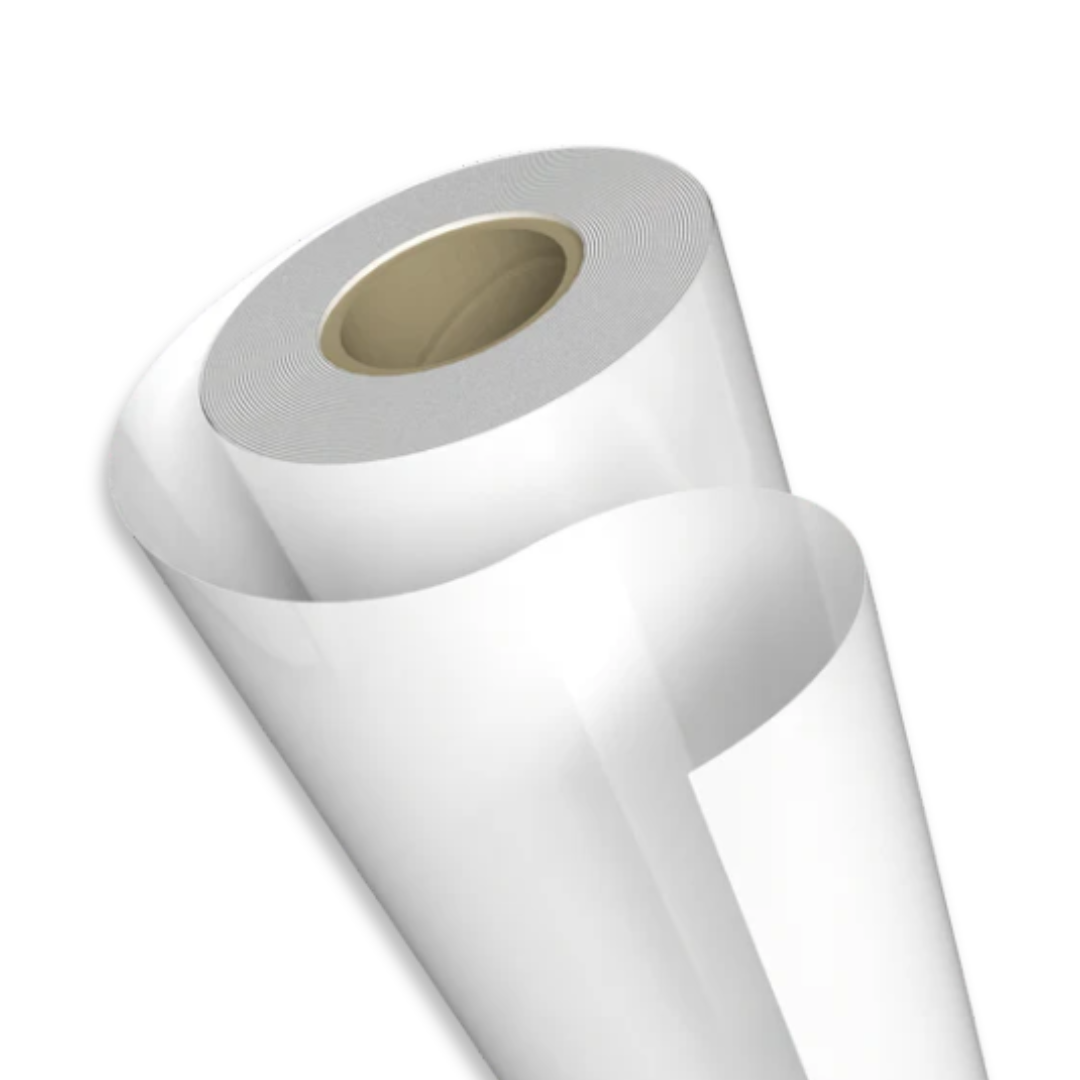
PP monofoil white roll stock

PP mono film, silver

36 µm film thickness

Silver outside, silver inside

Heat sealable on one side (inside)

High barrier (OTR <0.1, WVTR <0.1)

Excellent aroma barrier

Certified for foodstuffs (powders, pastes, liquids)

Made for recycling – monomaterial (PP5)
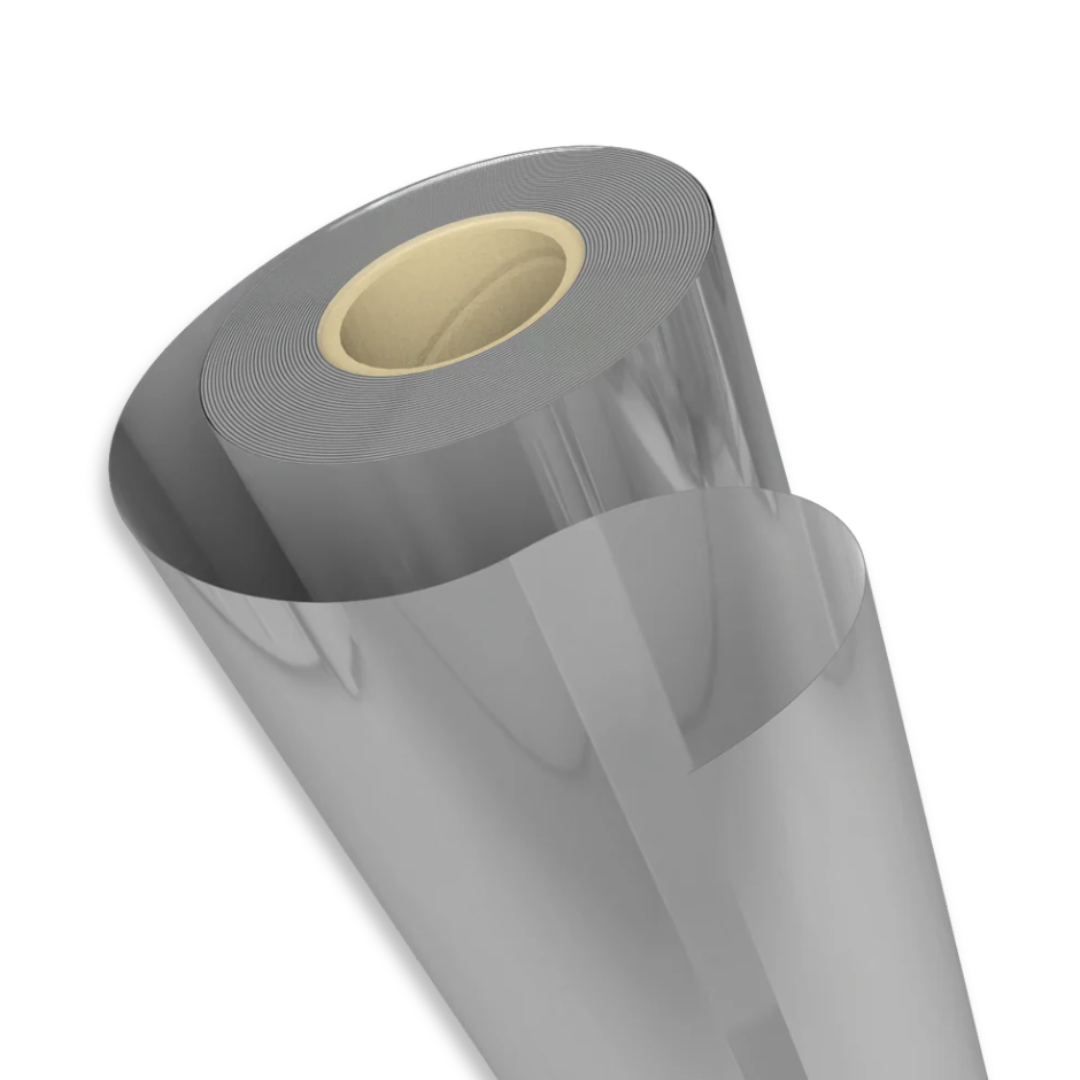
PP mono film, silver on both sides, roll stock

PP-Monofolie silber / weiß

46 µm film thickness

Außen silber, innen weiß

Heat sealable on one side (inside)

High barrier (OTR <0.1, WVTR <0.1)

Excellent aroma barrier

Certified for foodstuffs (powders, pastes, liquids)

Made for recycling – monomaterial (PP5)
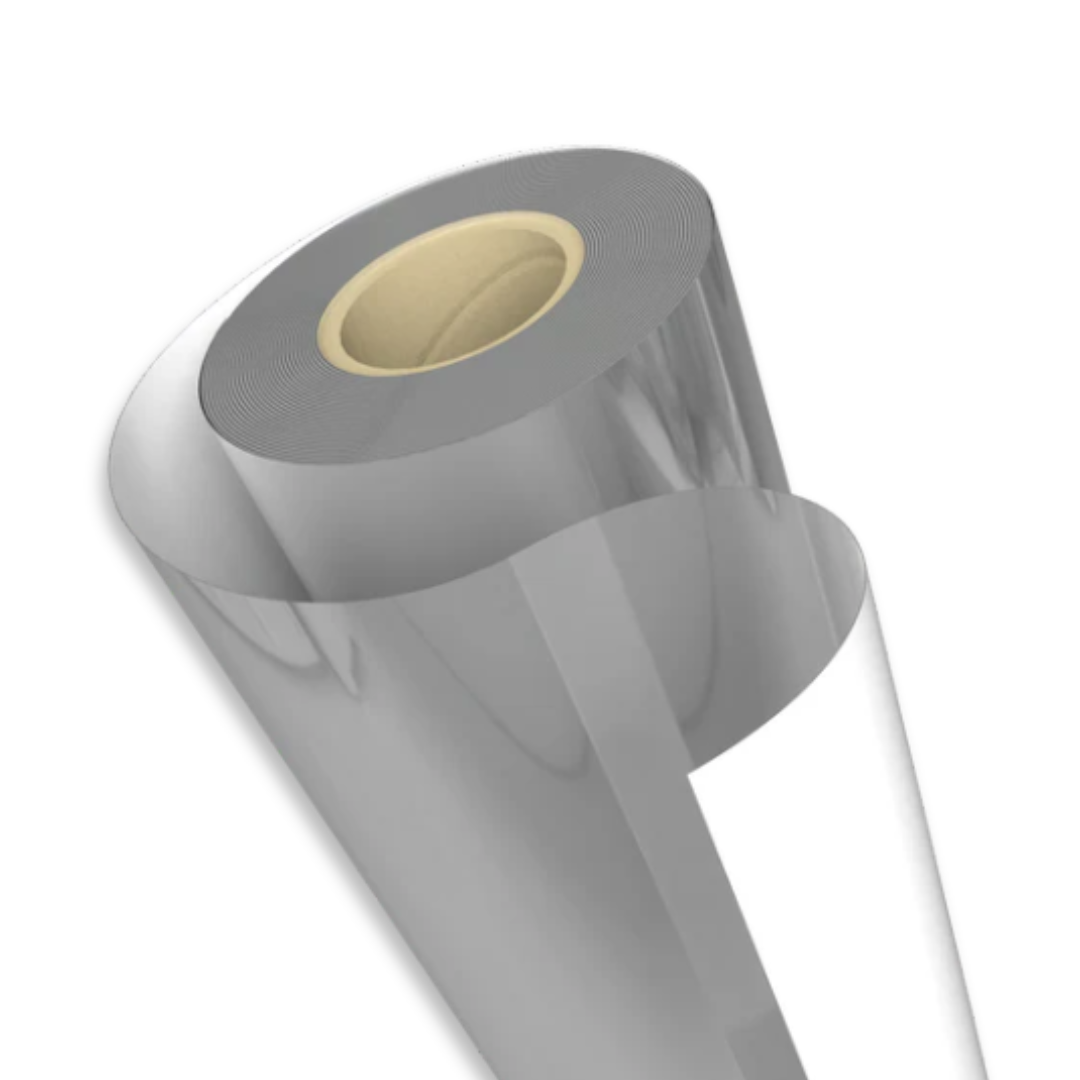
PP Monofolie außen silber innen weiß Rollenware

PP-Monofolie transparent

38 µm film thickness

Transparent (glänzende Oberfläche empfholen)

Heat sealable on one side (inside)

High barrier (OTR <01, / WVTR <2)

Excellent aroma barrier

Certified for foodstuffs (powders, pastes, liquids)

Made for recycling – monomaterial (PP5)
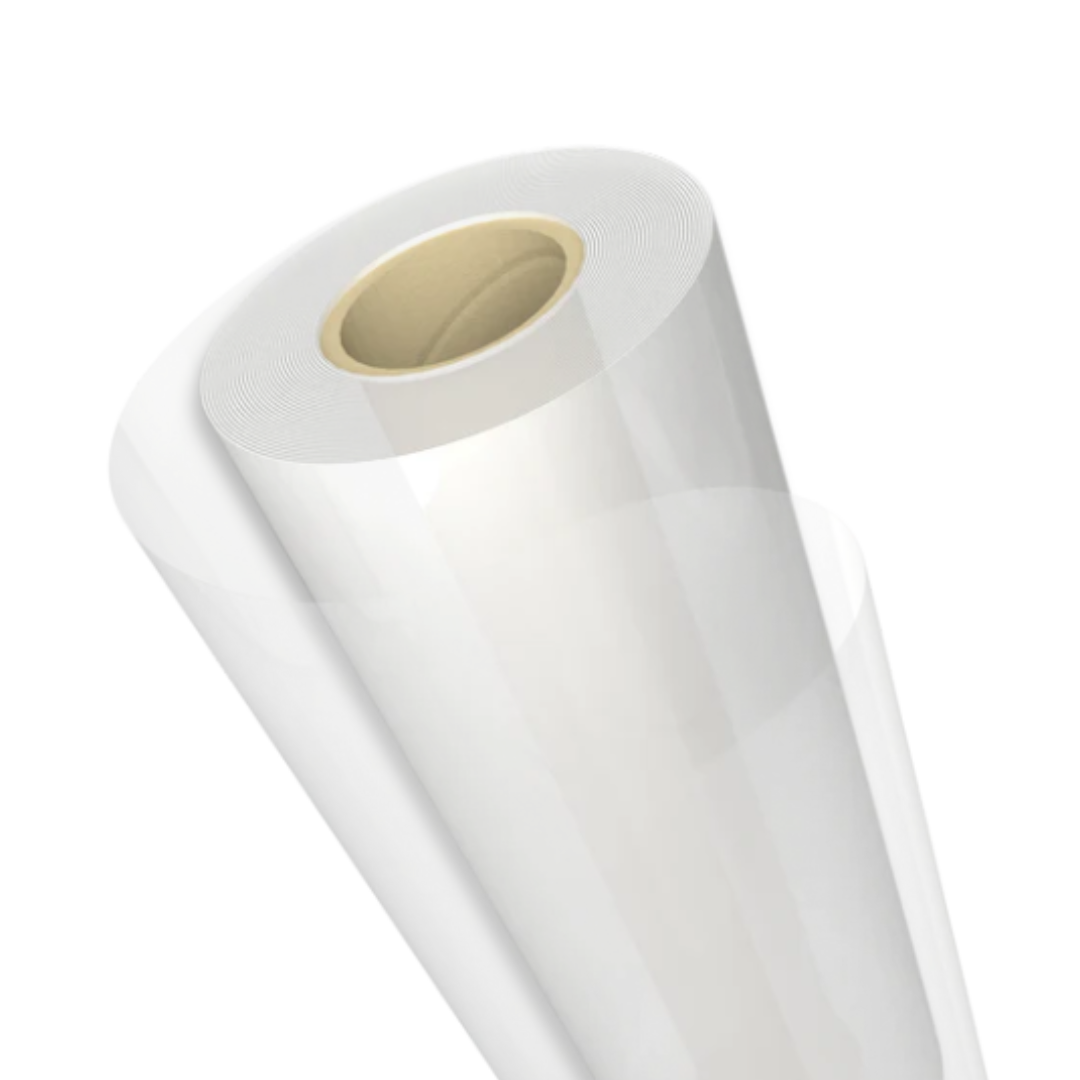
PP Monofolie transparent Rollenware
Food compliance: All our materials are suitable for direct food contact and comply with the relevant requirements of (EC) No. 1935/2004, (EC) No. 2023/2006 (GMP) and (EU) No. 10/2011. For printed applications, we also meet the requirements of the German Commodities Act (printing ink regulation) in its current version. We can provide you with a declaration of conformity (DoC) on request.

White paper, without plastic

65 µm paper thickness

White outside, white inside

Heat sealable on one side (inside)

No barrier

Certified for food

Recyclable & PPWR compliant
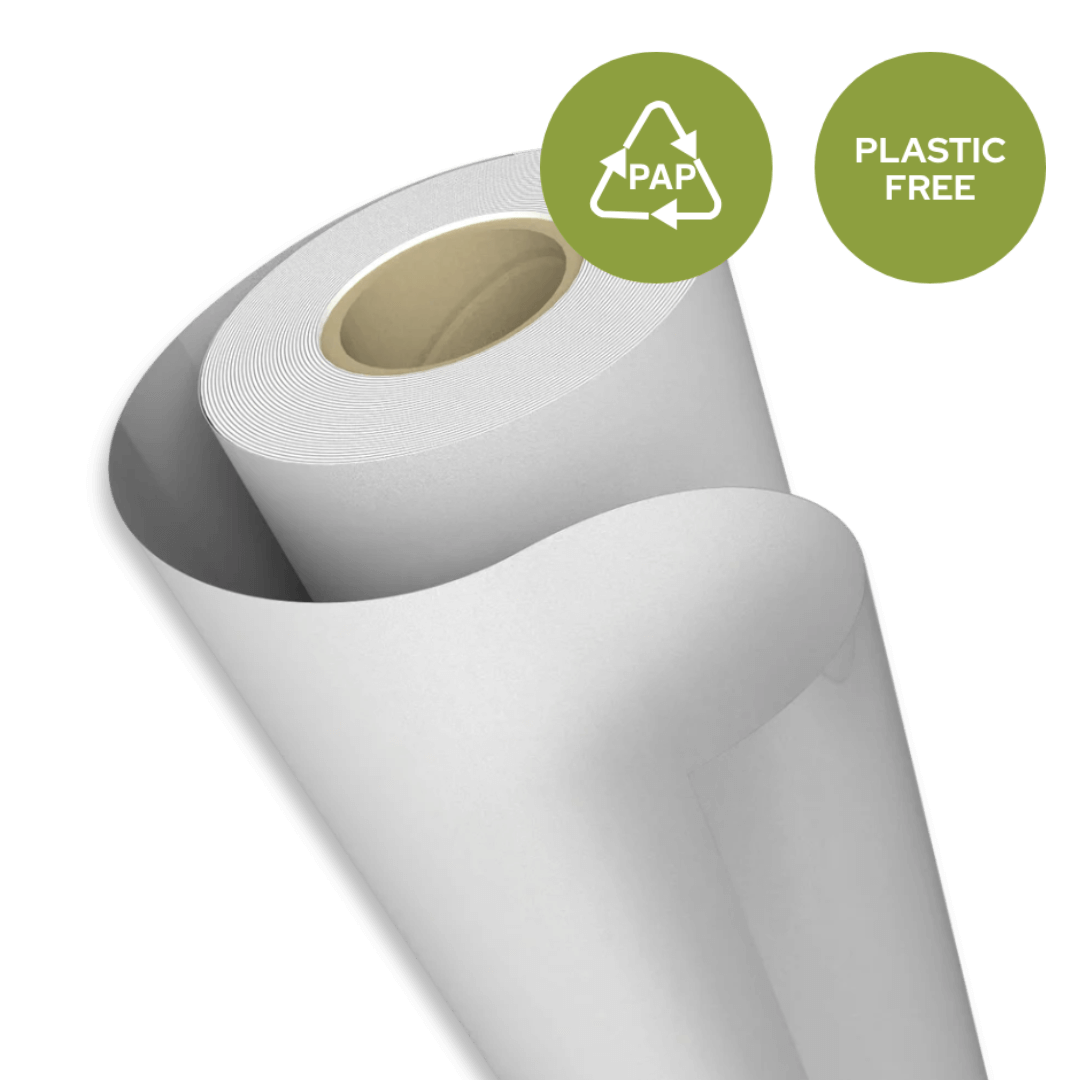
White paper, without plastic

White paper, without plastic

75 µm paper thickness

White outside, white inside

Heat sealable on one side (inside)

Medium barrier (OTR <=5 / WVTR <=20)

Certified for food

Recyclable & PPWR compliant

White paper, without plastic

Configure flexible packaging

Design unique packaging

Surfaces for roll goods

Surfaces

Our flexible packaging is available in matt, glossy or soft-touch finishes, giving your packaging a high-quality look and feel.

Metallic effects for roll goods

Metallic-Effects

With metallised films, we can add eye-catching metallic effects to your flexible packaging on request – perfect for exclusive designs and maximum attention.

Viewing window roll stock

Viewing Window

Highly transparent viewing windows with glossy film make the contents of your flexible packaging clearly visible – without any milky effect and with a strong product presentation.

Recycling for roll goods

Recycling & PPWR

Our flexible packaging is made from recyclable PP or PE mono-materials and already meets the requirements of the PPWR Regulation for sustainable packaging solutions.

Berater Lasse Harder

Lasse Harder
CEO & FlexPack-Spezialist

Let's take your flexible packaging to the
next level!

Our experienced team of packaging specialists is always available to assist you by telephone or email. Whether you have extensive projects, individual solutions or specific questions about our products, materials, production processes and much more, we will advise you personally, competently and reliably. Together, we will find the right packaging solution for your requirements. Please do not hesitate to contact us – we look forward to hearing from you.

Tel.: +49 (0) 751 951 440 0

Man looking at Doypack machine
>4000 CUSTOMERS PLACE THEIR TRUST IN US

Turn your flexible packaging into a game changer!

Do you need flexible packaging that suits your product? We'll take care of it – no matter whether it's small, large or really challenging. We have been printing in Germany for three generations, combining experience with modern technology. You get quality you can rely on and people who think ahead. Together, we'll turn your idea into the perfect packaging.

Dextro Energy Logo
Esjot Logo
mymuesli logo
Störtebekker Logo
Hugendubel Logo
Neuroth Logo

Flexible packaging

Frequently asked questions

Which materials are recyclable and are there recycling certificates?
Some of our materials are fully recyclable and can be disposed of either via the yellow bag (for plastic) or the blue/green garbage can (for waste paper). The recyclability of our materials is confirmed by the Cyclos-HTP institute. Conformity with the following standards is also certified:
 
  • Minimum standard for assessing the recyclability of the ZSVR (German Central Agency Packaging Register).
  • DIN EN 13430 with regard to recyclability in the post-consumer phase.

Below you will find a list of our materials that are certified as recyclable: 
NameFoil thicknessDisposalRecycling codeCertified by Cyclos-HTP
Mono foil white PE/EVOH/PE95 - 125 µmPlasticFULL-PEja
Mono foil transparent PE/EVOH/PE96 - 125 µmPlasticFULL-PEja
Paper white + PE (100% recyclable)110 µmPaper22 PAP-
Paper white, no barrier heat sealable65 µmPaper22 PAP-
Paper white, with barrier heat sealable75 µmPaper22 PAP-
What pouch materials are offered and what barrier do they provide?

We offer a wide range of materials for flexible packaging – from innovative mono-plastics and paper/plastic composites to plastic-free barrier papers. Each material is tailored to different requirements and offers specific protective functions for food, non-food and industrial products.

Our materials are available in various designs, including white, transparent, metallised (e.g. by metallising PP) or with a natural paper look. In addition, different surfaces such as matt, glossy or soft-touch are available to customise the look and feel.

All materials are equipped with a functional barrier – depending on the material composite, this is made of EVOH, AlOx or aluminium. These barriers provide reliable protection against aroma loss, oxygen, moisture and, if required, UV radiation. This makes them ideal for sensitive products.

Depending on their structure, our materials are PPWR-compliant and certified recyclable. Our PE and PP mono films in particular enable a recyclable packaging solution without compromising on product protection or processability.

How can I create a custom window for my pouch?

To create an individual window for your pouch, use a transparent film and choose the color "4/0-colored + white". The additional white ensures that printed surfaces appear colorful and opaque by being printed as opaque white under the printed design. This means that unprinted areas remain transparent and serve as a window. For a highly transparent window, we recommend a glossy surface material. A matt surface material makes the window appear milky. For more information on how to properly design with opaque white, see our print data guide for flexible packaging. Our media designers will be happy to answer any questions you may have at any time.
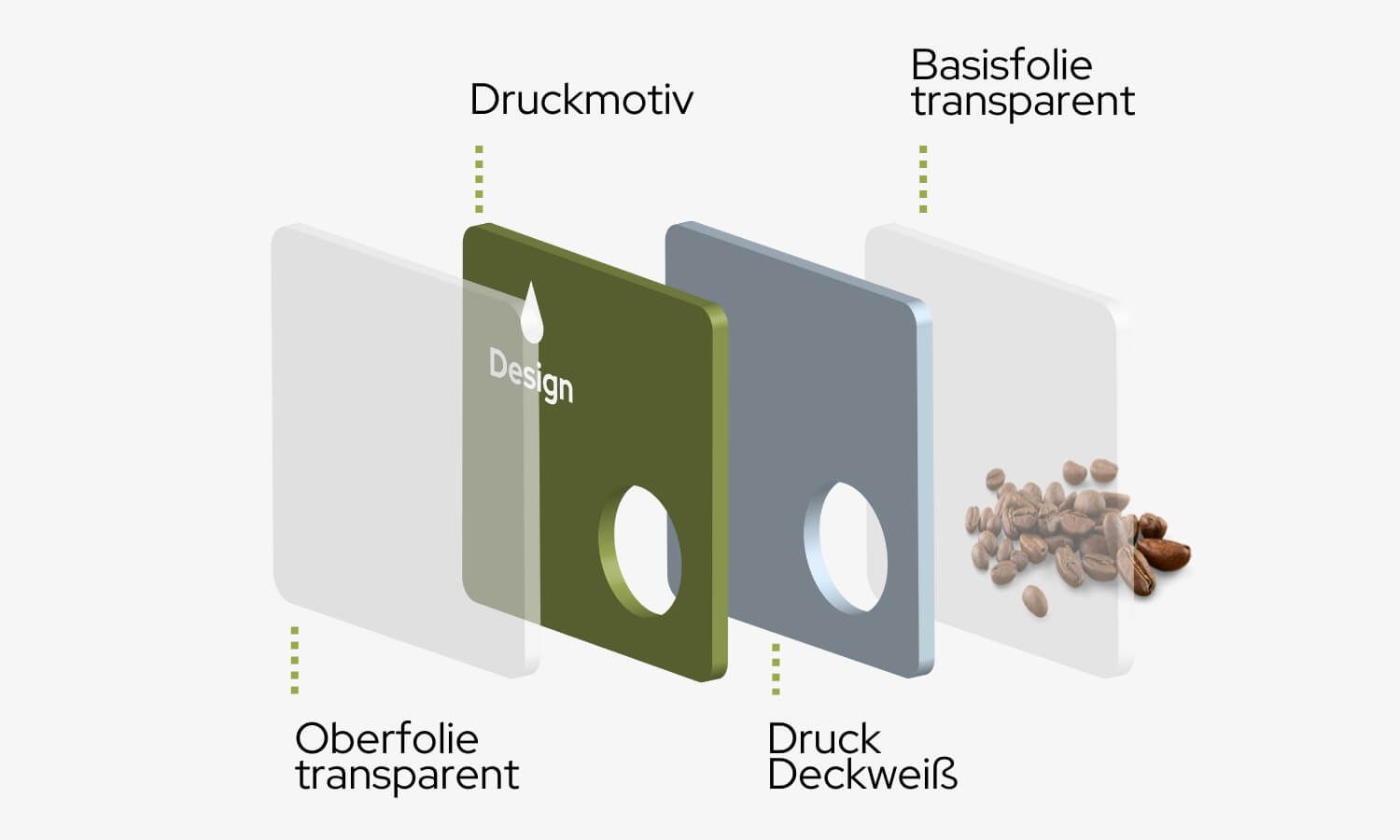
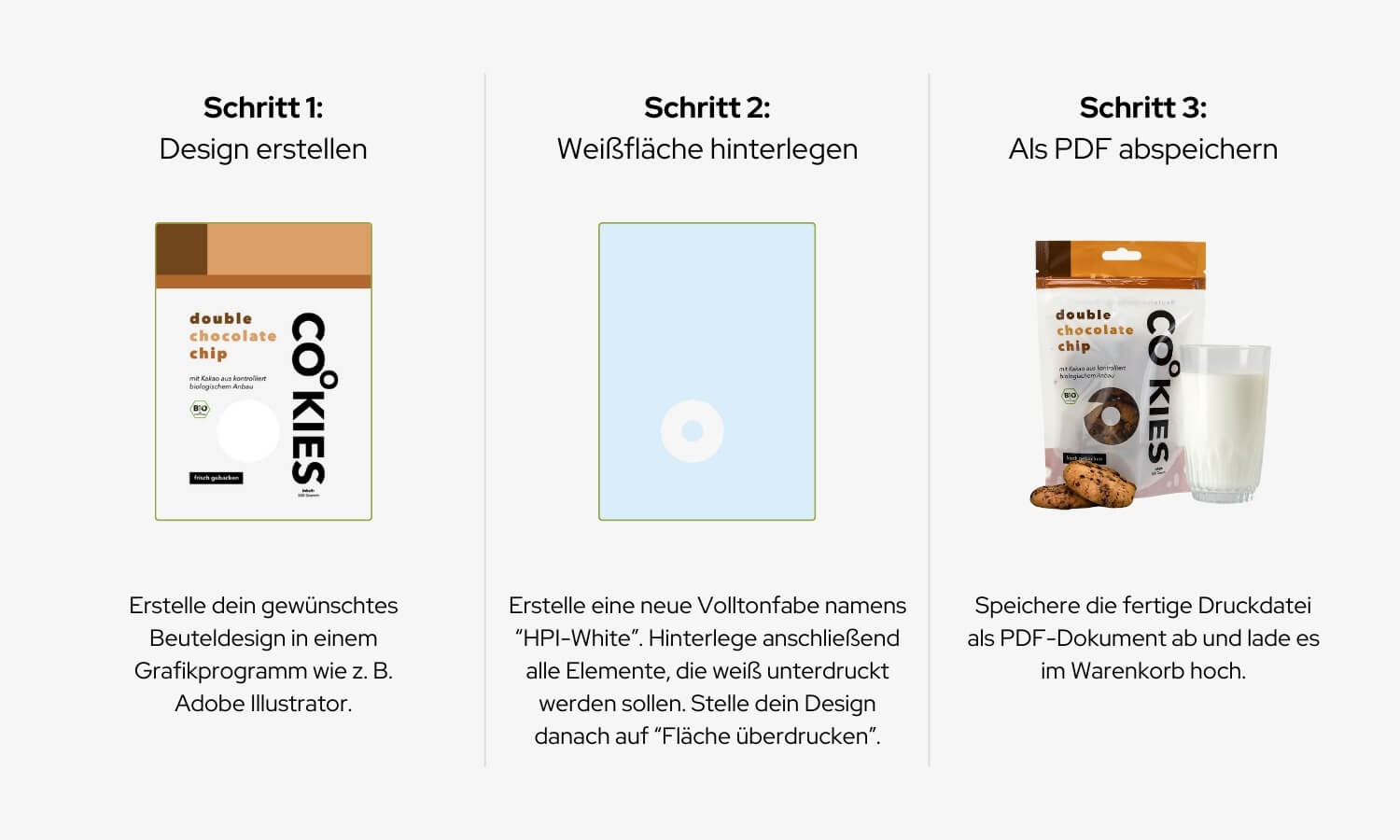
Structure of print data for viewing windows

Step by step instructions:

  • Step 1: Download the appropriate print template for your pouch from our online shop. Then create the desired design in a suitable graphics program. We recommend for example Adobe Illustrator.
  • Step 2: Create a new solid color called “HPI-White”. Then add all the elements that should be printed in white. You must then set all overlying elements of your design to “Overprint area”.
  • Step 3: Save the finished print file as a PDF document and upload the document to the shopping cart under "Print data".
You can find out more about creating the print data for your pouch in our print data instructions for flexible packaging.
Creating a print file for viewing windows
What foods can I put in the pouches?
Yes, all our materials are certified for direct contact with food. Both our stand-up pouches and flat pouches are suitable for storing moist and dry foods in the form of pastes, powders or liquids. In addition, our materials each contain a functional barrier consisting of either EVOH, AlOx or aluminium. This barrier effectively protects the contents from aroma loss, oxygen penetration, moisture and potential UV radiation. Declarations of conformity or detailed material specifications are available from our customer support team.
Where can I get a declaration of conformity and other documents?
We provide the following documents for all our materials and other components of the bags:
  • Technical data sheet
  • NIAS declarations
  • REACH declaration
  • PFAS statement
  • declaration of conformity

We will be happy to send you the relevant documents upon request.

INTERESTING FACTS

Guide to flexible packaging

Materials for flexible packaging

AlOx (aluminium oxide)

The abbreviation AlOx stands for aluminium oxide and describes an ultra-thin, high-barrier inorganic coating that is usually applied to PET and BOPP films using a vacuum process. AlOx barriers are applied to the carrier film with a thickness in the nanometre range and are transparent.
Read more

Aluminium

Aluminium (ALU) is used in packaging film as a thin functional layer when particularly high levels of protection are required. Aluminium barriers provide the ultimate protection against oxygen, water vapour and light. The most common application is as a middle layer in PET/ALU/PE composite materials; which protects the sensitive aluminium and at the same time enables the best processing properties.
Read more

Barrier films

A barrier film is a barrier layer integrated into the packaging that protects food, cosmetic products or industrial goods from external influences such as oxygen, water vapour, UV radiation or even mineral oils.
Read more

Film thickness

Read more

Monomaterial

In the context of flexible packaging, a monomaterial refers to a material that is primarily made from one type of plastic – typically PE or PP-based. As a common rule of thumb for design for recycling, a structure is considered ‘mono’ if at least 90% of its total weight consists of the target polymer. The remaining portion may consist of printing inks, adhesives or thin functional layers such as barrier films – provided these do not interfere with the recycling process.
Read more

EVOH

The abbreviation EVOH stands for ethylene vinyl alcohol copolymer. In flexible packaging, EVOH is used as a thin, organic barrier layer to protect products primarily from oxygen (and thus oxidation and aroma loss). In packaging films, EVOH is usually transparent and is therefore suitable for clear high-barrier packaging.
Read more

Metallisation

Metallisation refers to aluminium-metallised barriers that are applied to a carrier film (e.g. BOPP or PET) in nanometre-thin layers using vacuum coating (PVD). This process enables very high oxygen, water vapour and light barriers to be achieved with minimal material usage.
Read more

PET (polyester)

Polyethylene terephthalate (PET) is a dimensionally stable, highly printable type of plastic that is primarily used as a printing and outer film in flexible packaging. Its excellent thermal stability in particular enables high mechanical loads and ensures dimensionally stable repeats over long print jobs.
Read more

PE (polyethylene)

Like PP, polyethylene (PE) belongs to the polyolefin group and is one of the most popular packaging materials due to its properties. Polyethylene is considered tough, stable and easy to weld. It is therefore mainly used as an internal sealing medium for various flexible packaging such as bags, flow packs and sachets. In modern mono-material structures, PE in the form of MDO-PE is also used as a PET substitute for printing films. So-called coex films are often used for flexible packaging such as stand-up pouches – in this process, EVOH barriers, for example, are already incorporated (extruded) into the PE film during film production.
Read more
Manufacture of flexible packaging

AlOx (aluminium oxide)

The abbreviation AlOx stands for aluminium oxide and describes an ultra-thin, high-barrier inorganic coating that is usually applied to PET and BOPP films using a vacuum process. AlOx barriers are applied to the carrier film with a thickness in the nanometre range and are transparent.
Read more

Aluminium

Aluminium (ALU) is used in packaging film as a thin functional layer when particularly high levels of protection are required. Aluminium barriers provide the ultimate protection against oxygen, water vapour and light. The most common application is as a middle layer in PET/ALU/PE composite materials; which protects the sensitive aluminium and at the same time enables the best processing properties.
Read more

Barrier films

A barrier film is a barrier layer integrated into the packaging that protects food, cosmetic products or industrial goods from external influences such as oxygen, water vapour, UV radiation or even mineral oils.
Read more

Film thickness

Read more

Monomaterial

In the context of flexible packaging, a monomaterial refers to a material that is primarily made from one type of plastic – typically PE or PP-based. As a common rule of thumb for design for recycling, a structure is considered ‘mono’ if at least 90% of its total weight consists of the target polymer. The remaining portion may consist of printing inks, adhesives or thin functional layers such as barrier films – provided these do not interfere with the recycling process.
Read more

EVOH

The abbreviation EVOH stands for ethylene vinyl alcohol copolymer. In flexible packaging, EVOH is used as a thin, organic barrier layer to protect products primarily from oxygen (and thus oxidation and aroma loss). In packaging films, EVOH is usually transparent and is therefore suitable for clear high-barrier packaging.
Read more

Metallisation

Metallisation refers to aluminium-metallised barriers that are applied to a carrier film (e.g. BOPP or PET) in nanometre-thin layers using vacuum coating (PVD). This process enables very high oxygen, water vapour and light barriers to be achieved with minimal material usage.
Read more

PET (polyester)

Polyethylene terephthalate (PET) is a dimensionally stable, highly printable type of plastic that is primarily used as a printing and outer film in flexible packaging. Its excellent thermal stability in particular enables high mechanical loads and ensures dimensionally stable repeats over long print jobs.
Read more

PE (polyethylene)

Like PP, polyethylene (PE) belongs to the polyolefin group and is one of the most popular packaging materials due to its properties. Polyethylene is considered tough, stable and easy to weld. It is therefore mainly used as an internal sealing medium for various flexible packaging such as bags, flow packs and sachets. In modern mono-material structures, PE in the form of MDO-PE is also used as a PET substitute for printing films. So-called coex films are often used for flexible packaging such as stand-up pouches – in this process, EVOH barriers, for example, are already incorporated (extruded) into the PE film during film production.
Read more
Go to adviser

AlOx (aluminium oxide)

The abbreviation AlOx stands for aluminium oxide and describes an ultra-thin, high-barrier inorganic coating that is usually applied to PET and BOPP films using a vacuum process. AlOx barriers are applied to the carrier film with a thickness in the nanometre range and are transparent.
Read more

Aluminium

Aluminium (ALU) is used in packaging film as a thin functional layer when particularly high levels of protection are required. Aluminium barriers provide the ultimate protection against oxygen, water vapour and light. The most common application is as a middle layer in PET/ALU/PE composite materials; which protects the sensitive aluminium and at the same time enables the best processing properties.
Read more

Barrier films

A barrier film is a barrier layer integrated into the packaging that protects food, cosmetic products or industrial goods from external influences such as oxygen, water vapour, UV radiation or even mineral oils.
Read more

Film thickness

Read more

Monomaterial

In the context of flexible packaging, a monomaterial refers to a material that is primarily made from one type of plastic – typically PE or PP-based. As a common rule of thumb for design for recycling, a structure is considered ‘mono’ if at least 90% of its total weight consists of the target polymer. The remaining portion may consist of printing inks, adhesives or thin functional layers such as barrier films – provided these do not interfere with the recycling process.
Read more

EVOH

The abbreviation EVOH stands for ethylene vinyl alcohol copolymer. In flexible packaging, EVOH is used as a thin, organic barrier layer to protect products primarily from oxygen (and thus oxidation and aroma loss). In packaging films, EVOH is usually transparent and is therefore suitable for clear high-barrier packaging.
Read more

Metallisation

Metallisation refers to aluminium-metallised barriers that are applied to a carrier film (e.g. BOPP or PET) in nanometre-thin layers using vacuum coating (PVD). This process enables very high oxygen, water vapour and light barriers to be achieved with minimal material usage.
Read more

PET (polyester)

Polyethylene terephthalate (PET) is a dimensionally stable, highly printable type of plastic that is primarily used as a printing and outer film in flexible packaging. Its excellent thermal stability in particular enables high mechanical loads and ensures dimensionally stable repeats over long print jobs.
Read more

PE (polyethylene)

Like PP, polyethylene (PE) belongs to the polyolefin group and is one of the most popular packaging materials due to its properties. Polyethylene is considered tough, stable and easy to weld. It is therefore mainly used as an internal sealing medium for various flexible packaging such as bags, flow packs and sachets. In modern mono-material structures, PE in the form of MDO-PE is also used as a PET substitute for printing films. So-called coex films are often used for flexible packaging such as stand-up pouches – in this process, EVOH barriers, for example, are already incorporated (extruded) into the PE film during film production.
Read more

Flexpack FROM THE MANUFACTURER

Your partner for flexible packaging

Flexible Packaging
Made in Germany

We value regionality and love for our homeland. That is why your flexible packaging is produced in the heart of Germany.

Sustainable materials

We rely on sustainable and recyclable materials. Regional production and short delivery routes significantly reduce CO₂ emissions.

Personal contact person

You will have a direct contact person at all times who will advise you individually and accompany you from the enquiry to the delivery of your flexible packaging.