


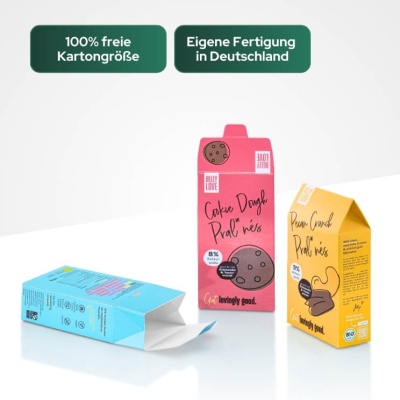
 Folding boxes





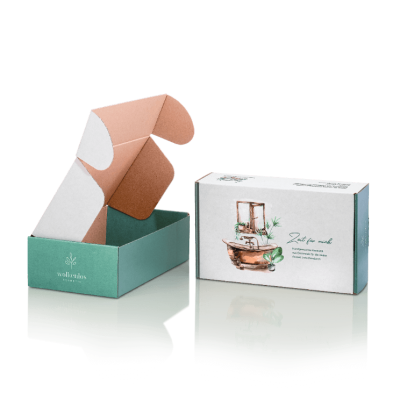 Shipping boxes





 Stand-up pouch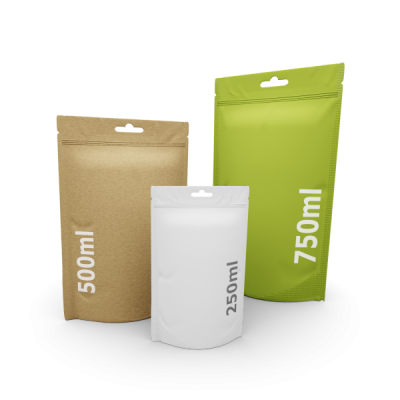
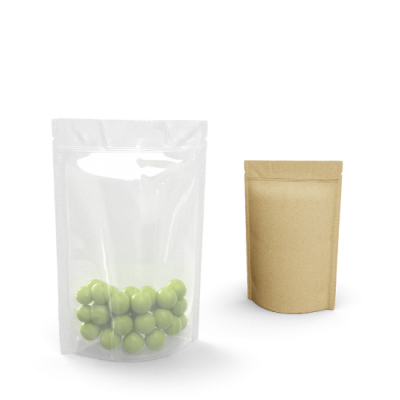
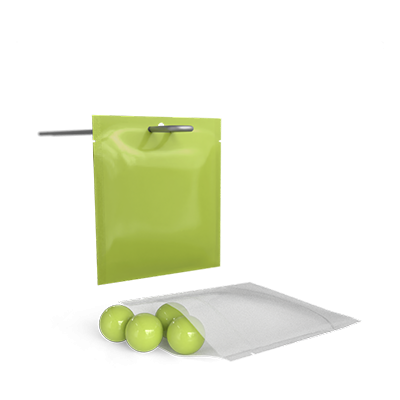
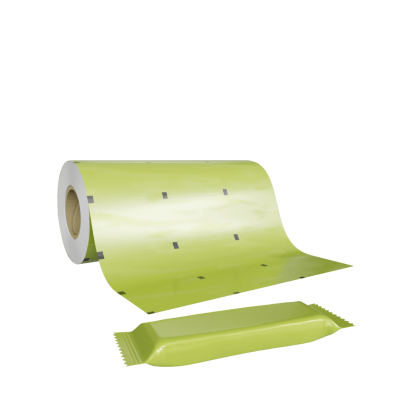


.png) Labels
Labels 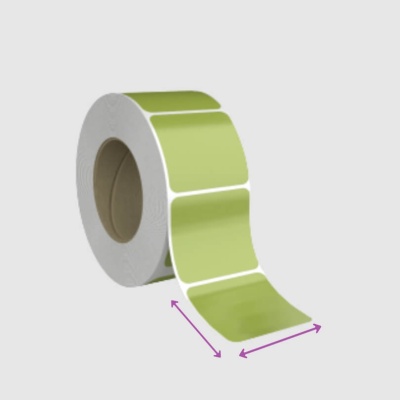
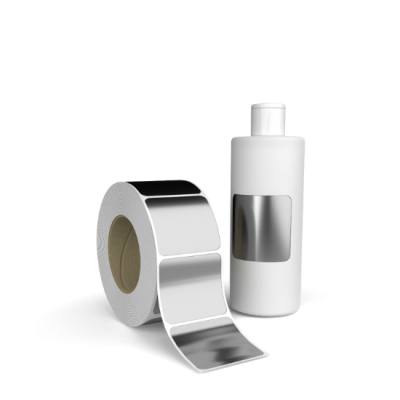

 Paper cans
  Sample boxes
 The film thickness, also known as film thickness, is measured in micrometres (µm) and, depending on the application, is a decisive factor for film stability, product protection and printing and finishing options. Films are used in various areas such as logistics, packaging production and construction. Depending on the application, films have special properties such as:
- Colour (white, transparent, natural look, opaque),
- Haptic properties (matt, glossy, soft-touch),
- Stability / Tear resistance,
- Barrier (OTR / WVTR / MOH / UV radiation),
- Recyclability.
Another important factor is the thickness of the film. This is divided into three simplified categories, as is customary in the industry: thin film, medium-thickness film and thick film. The following table shows the corresponding classification for each category: